


As winter approaches in Holmen, it’s a good time to think about our homes. We want to make sure everything is ready for the cold and snow. Taking care of our residential siding maintenance now can save us from bigger problems later. Let’s go over a few things we can do to get our homes prepared.
Key Takeaways
- We should look closely at our home’s siding for any damage. Small cracks or openings can let cold air and moisture in, which isn’t good for the house. Checking the caulk and seals around windows and doors is also important to keep the weather out.
- Keeping our gutters clean is a simple but effective step. When gutters are clear, water can flow away from the house properly. We also need to trim any tree branches that hang over our roof or siding. This helps prevent damage from falling limbs, especially during storms.
- Good residential siding maintenance means staying on top of these tasks. It helps protect our homes from winter weather and keeps them looking good for longer. A little work now means less worry when the snow starts falling.
Inspect Your Residential Siding For Winter Readiness
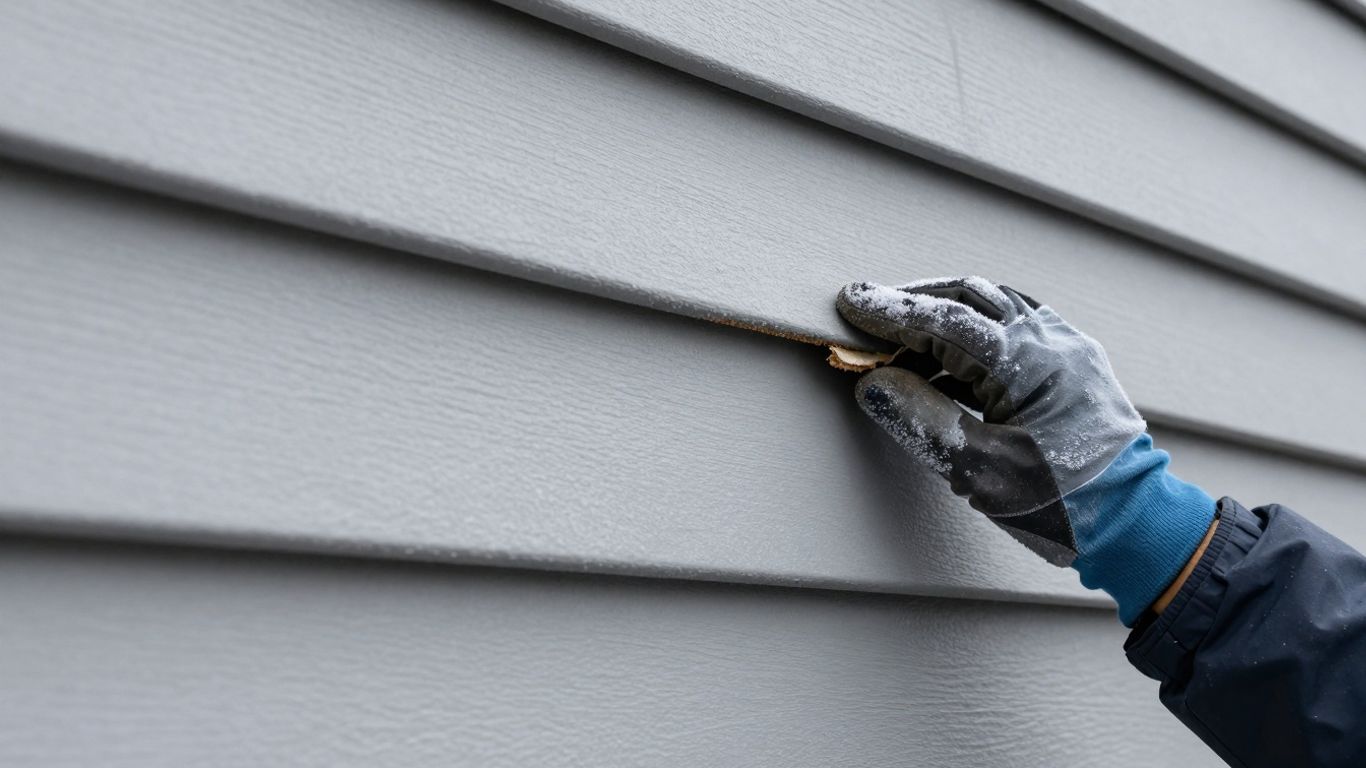
Before the first real frost hits Holmen, it’s a good idea for us to take a close look at our homes’ siding. Winter weather can be tough on a house, and we want to make sure everything is sealed up tight. Think of it like getting your car ready for a long road trip – you check the tires, the oil, and all that. Our siding needs a similar check-up.
Check For Cracks And Gaps
We should start by walking around the entire house, really looking at the siding. We’re searching for any signs of damage. Small cracks might not seem like a big deal now, but when the temperature drops and then rises, they can get bigger. Water can seep into these openings, and when it freezes, it expands. This freeze-thaw cycle is not our friend when it comes to siding integrity. We also need to check where different parts of the siding meet, like around windows and doors, and where the siding meets the foundation. Any little openings are potential entry points for cold air and moisture.
Assess Caulking And Sealant Integrity
Speaking of those spots around windows, doors, and trim, we need to pay attention to the caulking and sealant. Over time, this stuff can dry out, shrink, or even pull away from the surface. If we see any areas where the caulk is cracked, peeling, or missing, that’s a spot that needs attention. This is especially true for older homes. Properly sealed gaps stop drafts and keep moisture out, which is super important for preventing ice dams and other winter headaches. We should make a list of all the spots that look like they need a touch-up or a full re-seal. It’s a bit of a chore, but it makes a big difference in keeping our homes warm and dry all winter long.
Proactive Residential Siding Maintenance For Cold Climates
As winter approaches here in Holmen, we know that keeping our homes protected from the elements is top of mind. Taking a few proactive steps with your residential siding now can save you a lot of trouble when the snow starts flying and the temperatures drop.
Clean Gutters And Downspouts
It might not seem like siding maintenance, but clogged gutters are a real problem for your home’s exterior. When leaves and debris build up, water can’t drain properly. This standing water can then back up under your siding, leading to rot, mold, and even ice dams. Ice dams form when melting snow refreezes at the edge of your roof, creating a barrier that forces more water to pool. This pooled water can seep into your walls and attic.
We recommend checking your gutters at least twice a year, but definitely before winter sets in. Here’s a quick rundown:
- Clear out all debris: Leaves, twigs, and anything else that’s accumulated.
- Check for damage: Look for any loose hangers or sections that might be sagging.
- Ensure proper slope: Water should flow freely towards the downspouts.
- Test downspouts: Make sure they are clear and directing water away from your foundation.
Keeping your gutters clear is one of the simplest yet most effective ways to protect your siding and foundation.
Trim Overhanging Branches
Branches from trees that hang over your roof or siding can cause a surprising amount of damage, especially in winter. Heavy snow and ice can weigh down branches, causing them to snap and fall onto your home. This can lead to dents, cracks, or even larger holes in your siding. Plus, branches that rub against your siding can wear away the protective finish over time, making it more vulnerable to moisture.
We suggest taking a look at any trees near your house. If you see branches that are:
- Touching or very close to your siding or roof.
- Showing signs of decay or weakness.
- Likely to collect a lot of snow and ice.
It’s probably a good idea to trim them back. If the branches are large or high up, it’s best to call a professional arborist. They have the right equipment and know-how to do the job safely and effectively.
Taking care of these outdoor tasks before the harsh winter weather arrives can make a big difference in how well your home holds up. It’s all about preventing small issues from becoming costly repairs down the road.
Wrapping Up Your Siding Care
So, that’s our take on keeping your home’s siding in good shape through the Holmen winters. We know it might seem like a lot, but a little bit of attention now can save you headaches later. Think of it like getting your car ready for snow – you just do what needs doing. We hope these tips help you feel more confident about looking after your house. If you’ve got questions or just want to chat about siding, feel free to reach out. Taking care of your home is a big job, but we’re all in this together.
Frequently Asked Questions
Why is it important to check our siding before winter hits?
We need to make sure our home’s siding is in good shape before the cold weather arrives. Small problems, like tiny cracks or worn-out seals, can let in cold air and moisture. If water gets in and freezes, it can expand and cause bigger damage to the siding and the walls underneath. Catching these issues early helps us avoid costly repairs later and keeps our homes warm and dry all winter long.
What should we look for when inspecting our siding?
When we look at our siding, we should be on the lookout for any signs of trouble. This means checking for any cracks, no matter how small, and also looking for gaps where different pieces of siding meet or where the siding meets windows and doors. We also need to check the caulk and sealant around these areas. If it looks old, cracked, or is pulling away, it won’t do a good job of keeping the weather out.
How do clean gutters help our siding in winter?
Keeping our gutters and downspouts clean is a big help for our siding, especially when winter comes. If gutters are full of leaves and debris, rainwater can’t flow away properly. This water might then back up and spill over the sides, potentially freezing against our siding. Ice dams can form, and the constant freezing and thawing can damage the siding material. Clean gutters ensure water drains away from our house, protecting the siding from ice and water damage.
