


We’ve been looking into ways to make our home more energy-efficient, and skylights kept coming up. It seemed like a good idea to let in more natural light, but we also wondered about the installation part. Getting it done right seemed important, especially if we wanted to see real benefits for our energy bills. So, we decided to explore how professional skylight installation energy savings could really work for us.
Key Takeaways
- Letting in more daylight with well-placed skylights can cut down on how much we use electric lights, directly lowering our power costs.
- Good skylight installation means they fit well and don’t let heat escape in winter or get in during summer, which helps our heating and cooling systems work less.
- Properly installed skylights can help air move around our home naturally, making it more comfortable and reducing the strain on our air conditioning and heating.
- Choosing the right kind of skylight, with good glass and the right size, makes a big difference in how much energy we save.
- While there’s an upfront cost, getting skylights put in by professionals leads to lower energy bills over time and can even make our house worth more.
Maximizing Natural Light For Reduced Electricity Bills
We all want to save money on our energy bills, right? One surprisingly effective way to do this is by letting more sunshine into our homes. Think about it: the more natural light we have, the less we need to flip on those light switches.
Harnessing Daylight Through Strategic Skylight Placement
Where we put our skylights really matters. It’s not just about sticking them anywhere; it’s about thinking about how the sun moves throughout the day and year. A well-placed skylight can flood a room with light for hours. We’ve found that placing them in areas where we spend a lot of time during the day, like kitchens or living rooms, makes the biggest difference. Sometimes, just one or two strategically located skylights can transform a space from dim to bright, all without using any electricity.
Reducing Reliance on Artificial Lighting
This is where the real savings start. Every time we turn on a lamp or overhead light, we’re using electricity. By letting in natural light, we can cut down on that usage significantly. We’ve noticed that in rooms with skylights, we often don’t even think about turning on lights until it’s getting dark outside. This simple change adds up over time. The less artificial light we use, the lower our electricity bills will be.
The Role of Skylight Installation in Energy Savings
It might seem like just a hole in the roof, but a properly installed skylight is an energy-saving feature. It’s about more than just letting light in; it’s about doing it efficiently. When installed by professionals, skylights are designed to work with your home’s insulation and structure. This means they don’t become weak points where heat escapes in the winter or gets in during the summer. We’ve seen firsthand how professional installation makes a difference in how comfortable our homes feel and how much we spend on heating and cooling.
Skylights are a smart investment for anyone looking to reduce their home’s energy consumption. They provide a beautiful, natural light source that directly impacts our need for artificial lighting and, consequently, our utility costs.
Improving Home Insulation With Professional Skylight Installation
When we think about skylights, we often focus on the light they let in. But what about how they affect our home’s temperature? A poorly installed skylight can actually make your home less energy efficient, letting heat escape in the winter and unwanted heat in during the summer. That’s where professional installation really makes a difference.
Understanding Skylight Insulation Properties
Modern skylights aren’t just glass panes. They’re built with layers designed to keep your home comfortable. We look at the U-factor, which tells us how well the skylight prevents heat from escaping. A lower U-factor means better insulation. We also consider the Solar Heat Gain Coefficient (SHGC). This measures how much solar radiation gets through the glass. For energy savings, we want a low SHGC in warmer climates to keep the heat out, and sometimes a higher SHGC in colder climates to let some free heat in during winter.
Preventing Heat Loss and Gain
Think of your roof as the top layer of your home’s insulation. If your skylight isn’t sealed properly, it becomes a weak spot. Heat naturally moves from warmer areas to cooler areas. In winter, warm air inside your home can escape through gaps around the skylight. In summer, hot outside air can seep in. Professional installers pay close attention to the flashing and sealing around the skylight frame, creating a tight barrier. This stops those unwanted temperature transfers, meaning your heating and cooling systems don’t have to work as hard.
The Impact of Proper Sealing on Energy Efficiency
Proper sealing is more than just making things look neat. It’s about creating an airtight connection between the skylight unit and your roof structure. We use specific materials and techniques to achieve this. Without it, you’re essentially leaving a small hole in your home’s insulation. This leads to:
- Increased energy bills as your HVAC system runs more often.
- Drafts and uncomfortable temperature variations within rooms with skylights.
- Potential for moisture buildup and condensation, which can lead to bigger problems down the line.
A well-sealed skylight acts like any other well-insulated part of your home, contributing positively to your overall energy performance. It’s a small detail that has a big impact on comfort and cost.
We often see a noticeable drop in energy bills after a professional skylight installation because the home’s thermal envelope is maintained. It’s not just about the skylight itself, but how it integrates with your home’s existing insulation and structure.
Ventilation Benefits For A More Comfortable Home
Beyond just letting light in, skylights can really help with how air moves around your house. We often think of them as just windows for the roof, but they do more. They can be a big part of making your home feel better, especially when the weather changes.
Natural Airflow and Temperature Regulation
When we install skylights, especially ones that open, we’re creating a way for warm air to escape naturally. Hot air rises, right? So, if you have an open skylight, that warm air can just drift out. This is a simple way to cool your home down without needing to crank up the air conditioning. It helps keep the temperature more even throughout the day. This natural ventilation can make a noticeable difference in how comfortable your living spaces feel, especially during warmer months. It’s like opening a window, but for your ceiling.
Reducing HVAC System Load
Because skylights help with natural cooling and air circulation, your heating and cooling systems don’t have to work as hard. When the air inside your home is already moving and not getting too stuffy or too hot, the AC or furnace doesn’t need to run constantly. This means less wear and tear on your equipment. It also translates directly into lower energy bills. Think about it: if the house is naturally cooler, the AC doesn’t need to fight as hard to keep it at your desired temperature. This is a win-win for comfort and your wallet.
The Connection Between Ventilation and Skylight Installation Energy Savings
Properly installed, operable skylights are key to this ventilation process. They aren’t just passive openings; they are active participants in managing your home’s climate. When we talk about energy savings, we often focus on insulation and light, but ventilation is a huge piece of the puzzle. A well-ventilated home uses less energy for cooling and can even help with heating in the winter by allowing for better air distribution. It’s about creating a balanced environment. We see this benefit most clearly when we look at how much less our HVAC systems need to run. It’s a smart way to manage your home’s energy use.
Choosing The Right Skylights For Optimal Performance
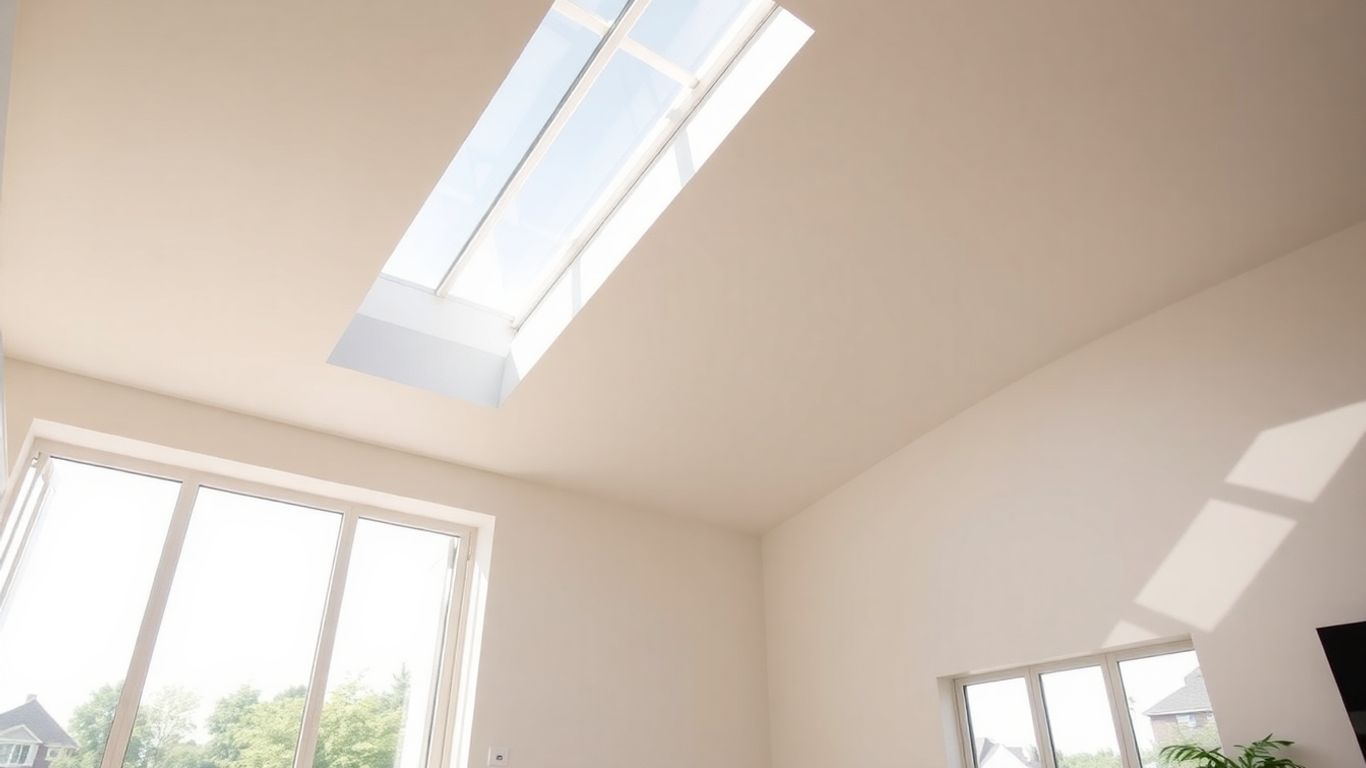
Picking the correct skylights is a big part of making sure you get the most out of them, especially when we’re talking about saving energy. It’s not just about letting light in; it’s about doing it smartly. We need to think about what kind of glass they have and how big they should be.
Energy-Efficient Skylight Glazing Options
When we look at skylights, the glass itself is super important for how well they work. We’ve got a few main types to consider:
- Double-pane (or Insulated Glazing Units – IGUs): These have two layers of glass with a space in between, usually filled with air or an inert gas like argon. This gap acts as a barrier, slowing down heat transfer. It’s a good middle-ground option for most homes.
- Triple-pane: Similar to double-pane, but with three layers of glass and two gaps. This offers even better insulation, which means less heat escapes in the winter and less heat gets in during the summer. They can be a bit more expensive upfront, though.
- Low-E Coatings: This is a thin, transparent layer applied to the glass. It reflects heat. Depending on the season, it can keep heat inside or outside. We usually look for coatings that are good for both heating and cooling seasons.
- Gas Fills: As mentioned with IGUs, filling the space between panes with gases like argon or krypton is better than just air. These gases are denser and don’t move around as much, which helps stop heat from transferring.
The right glazing can make a significant difference in your home’s comfort and energy bills.
Considering Skylight Size and Type
Beyond the glass, the size and shape of the skylight matter too. A skylight that’s too big might let in too much heat in the summer, while one that’s too small might not provide enough natural light to reduce our need for lamps.
- Fixed Skylights: These don’t open. They’re generally more affordable and have fewer potential points for air leaks, which is good for insulation.
- Ventilating Skylights: These can be opened, either manually or electronically. They’re great for letting hot air escape in the summer or bringing in fresh air, reducing the need for air conditioning. We just need to make sure they seal up tight when closed.
- Tubular Daylighting Devices (Sun Tunnels): These are smaller and use a reflective tube to bring light from the roof into interior rooms. They’re often a good choice for smaller spaces or areas where a traditional skylight isn’t practical.
We also need to think about where we put them. Placing them in rooms that get a lot of sun during the day, like living rooms or kitchens, can maximize the natural light. However, we might want to avoid placing them directly over areas where we sleep if light pollution is a concern.
Professional Guidance for Smart Choices
Honestly, trying to figure all this out on our own can be a bit much. There are so many options, and what works best for one house might not be ideal for another. That’s where getting advice from professionals comes in handy.
Professionals can assess our home’s specific needs, considering factors like our climate, roof type, and the layout of our rooms. They know which skylight models are built to last and which ones offer the best energy performance for our region. They can also point out any local rebates or incentives for energy-efficient upgrades.
They can help us understand:
- The U-factor and Solar Heat Gain Coefficient (SHGC) ratings of different skylights and what they mean for our energy use.
- How the installation method itself impacts the skylight’s performance and longevity.
- Which skylight types are best suited for different areas of our home.
Making an informed choice now means we’ll be happier with the results for years to come, enjoying more natural light and lower energy bills.
The Long-Term Financial Advantages Of Expert Skylight Installation
When we think about adding skylights, we often focus on how nice the extra light looks. But let’s get real, the money aspect is a big deal too. Investing in professional skylight installation isn’t just about aesthetics; it’s a smart financial move for our homes. We’re talking about real savings that add up over time, making our homes more valuable and our monthly bills smaller.
Lowering Monthly Utility Expenses
One of the most immediate benefits we see is a noticeable drop in our electricity bills. Skylights let in so much natural light that we can turn off those overhead lights for a good chunk of the day. Think about it: fewer hours that lamps and ceiling fixtures are on means less electricity used. This isn’t just a small dent; over a year, it can really make a difference. Plus, well-installed skylights, especially those with good insulation properties, help keep our homes cooler in the summer and warmer in the winter. This means our air conditioning and heating systems don’t have to work as hard, leading to further savings on gas and electric bills. It’s a win-win situation for our wallets and our comfort.
Increasing Property Value
Adding skylights can also make our homes more attractive to potential buyers. A home that’s bright and airy, with lower energy costs, is always a plus. Buyers see skylights as a desirable feature, a sign of a well-maintained and modern home. This can translate into a higher selling price when the time comes to move. It’s an upgrade that pays for itself not just in immediate savings but also in the long run when we decide to sell.
The Return on Investment of Skylight Installation Energy Savings
It’s worth looking at the numbers. While there’s an upfront cost for professional installation, the savings we gain on energy bills over the years often outweigh that initial expense. We can think of it as a long-term investment. The payback period varies depending on our energy usage and the type of skylights we choose, but the trend is clear: savings accumulate.
Here’s a general idea of how the savings can add up:
- Reduced Lighting Costs: We can cut down on artificial lighting use by up to 4-6 hours per day, depending on the season and our habits.
- HVAC Savings: Improved insulation and natural ventilation can reduce heating and cooling costs by an estimated 10-20% annually.
- Increased Home Value: Homes with energy-efficient upgrades like skylights can see a property value increase of 1-5%.
We need to remember that the quality of the installation matters a great deal. A poorly installed skylight can lead to drafts, heat loss, and even water damage, negating any potential savings and creating new problems. That’s why we always recommend going with professionals who know what they’re doing. They’ll make sure the skylight is sealed properly and integrated well with our home’s existing structure, maximizing both light and savings.
Wrapping It Up
So, we’ve talked a lot about how getting skylights put in by the pros can really help your home save energy. It’s not just about letting in more light, though that’s nice too. When done right, these installations can make a big difference in how much you spend on heating and cooling. We think it’s a smart move for homeowners looking to cut down on bills and make their living spaces more comfortable. If you’re thinking about it, doing your homework on installers is a good idea. It’s an investment, for sure, but one that can pay off over time.
Frequently Asked Questions
How can skylights help us save money on electricity?
Skylights let in a lot of natural sunshine. This means we don’t have to turn on as many lights during the day. Using less electricity from lights directly lowers our power bills. It’s like getting free light from the sun!
Does a skylight keep our house warmer or cooler?
A well-installed skylight can actually help keep our house at a comfortable temperature. Good insulation around the skylight stops heat from escaping in the winter and coming in during the summer. This means our heating and cooling systems don’t have to work as hard, saving us energy.
Can skylights help with air circulation in our home?
Yes, some skylights can be opened! This allows warm air to rise and escape, bringing in cooler air from outside. This natural way of moving air helps keep our home comfortable without needing to run the air conditioner as much, which saves energy.
What makes one skylight better for saving energy than another?
We should look for skylights with special glass that’s good at keeping heat in or out. The way the skylight is put in is also super important. If it’s sealed up tight, it works much better to save energy. Getting a professional to install it makes a big difference.
Is putting in a skylight a good investment for our money?
Absolutely! While there’s a cost to install them, the money we save on electricity and heating/cooling bills over time adds up. Plus, a nice skylight can make our home look better and might even make it worth more if we decide to sell it later.
Why is it better to have professionals install our skylights?
Putting in a skylight needs to be done just right to work best for saving energy and preventing leaks. Professionals know how to seal it properly, insulate it well, and make sure it’s placed perfectly. This careful work ensures we get all the energy-saving benefits and avoid problems down the road.
