


When winter winds blow and snow starts to fall, our homes need extra attention. One area that often gets overlooked but plays a big part in keeping our houses safe and dry is the chimney. Proper chimney flashing isn’t just a small detail; it’s a key part of our home’s defense against the weather. We’ll look at why getting this right, especially during colder months, is so important for our property.
Key Takeaways
- Installing chimney flashing helps stop water from getting into your home, which can cause damage over time. This is a big deal for keeping your house in good shape.
- Good flashing is part of good residential roofing services. It works with your roof to keep everything sealed up tight against rain and snow.
- Winter weather, like melting snow and ice, puts stress on your chimney and roof. Correct flashing helps your chimney stay strong and prevents problems like ice dams.
Protecting Your Home With Expert Chimney Flashing
When we think about winter home maintenance, we often focus on heating systems and snow removal. But there’s another part of our homes that needs attention, especially when the weather turns cold and wet: the chimney. Proper chimney flashing isn’t just a small detail; it’s a key defense against serious damage. We’ve seen firsthand how neglecting this area can lead to big problems down the line.
Preventing Water Intrusion and Damage
Water is a persistent enemy of any home, and the chimney area is particularly vulnerable. Rain and melting snow can find their way into tiny gaps around the chimney where it meets the roof. If this water freezes and thaws repeatedly, it can expand, causing cracks in the masonry and compromising the roof structure. This constant cycle of freezing and thawing is a major cause of chimney and roof damage. Flashing acts as a barrier, directing water away from these vulnerable points. Without it, or with damaged flashing, water can seep into your attic, walls, and ceilings, leading to mold growth, wood rot, and costly repairs.
The Role of Flashing in Residential Roofing Services
Flashing is a thin material, usually metal, installed around the base of the chimney and where it penetrates the roof. Its job is simple but vital: to create a watertight seal. When we perform roofing services, we pay close attention to the chimney flashing because it’s a common weak spot. It needs to be installed correctly, with proper overlap and sealing, to be effective. Think of it like a raincoat for your chimney where it meets your roof. If that raincoat has holes or isn’t fitted right, the water gets in.
Here’s what good flashing installation involves:
- Proper Measurement: Getting the dimensions just right for a snug fit.
- Material Choice: Using durable materials that can withstand weather.
- Secure Attachment: Fastening it firmly to prevent wind from lifting it.
- Water Diversion: Angling it so water flows away from the chimney and roof.
We often find that homeowners aren’t aware of the condition of their chimney flashing until a problem arises. Regular inspections, especially before winter sets in, can catch small issues before they become expensive repairs. It’s a proactive step that saves a lot of headaches.
Ignoring flashing can lead to a cascade of problems. Water damage isn’t just about leaks; it can weaken the structural integrity of your roof and the chimney itself. This is why we stress the importance of having it checked and maintained by professionals, particularly during the colder months when the risk of water-related damage is higher.
Winter Chimney Maintenance and Your Roof
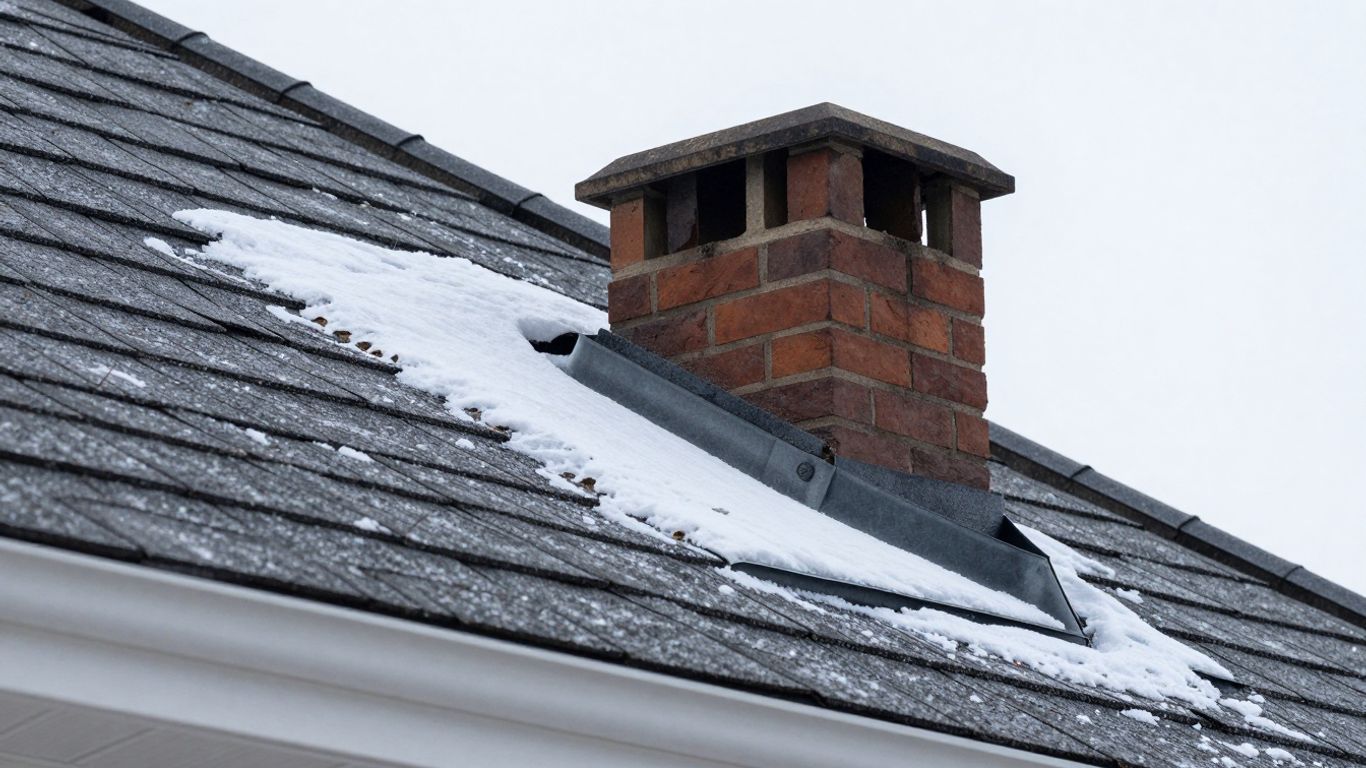
Winter brings its own set of challenges for our homes, and the chimney area is no exception. We often think about heating our homes during the colder months, but we might not always consider the specific maintenance needs of the chimney and how it interacts with our roof.
Addressing Ice Dams and Snow Melt
When snow accumulates on our roofs, especially around the chimney, it can create problems as it melts and refreezes. This freeze-thaw cycle is a major contributor to ice dams. Water from melting snow can seep into small cracks or gaps, and when temperatures drop, it freezes, expanding and potentially causing damage. If your chimney flashing isn’t in good shape, water can find its way underneath shingles and into your attic or wall spaces. Properly installed flashing acts as a barrier, directing water away from these vulnerable areas. We need to be mindful of how melting snow and ice can flow, and where it’s directed by the flashing.
- Water Flow Management: Flashing guides water away from the chimney base.
- Freeze-Thaw Cycles: Repeated freezing and thawing can widen existing cracks.
- Shingle Protection: It helps keep water from getting under your roof shingles.
Ensuring Structural Integrity Through Flashing
Beyond just water, the constant presence of snow and ice puts a strain on the chimney structure itself and its connection to the roof. The weight of accumulated snow can be significant. If the flashing is loose, damaged, or improperly installed, it can allow moisture to penetrate the masonry or the wood framing around the chimney. Over time, this moisture can lead to rot in the wood and deterioration of the mortar, weakening the entire structure. We want to make sure our chimney stays firmly attached and protected.
We should inspect our flashing regularly, especially after harsh winter weather. A small issue now can become a much bigger, more expensive problem later if we don’t pay attention to the details.
Here’s what we should look for:
- Cracks or gaps in the flashing material.
- Loose or missing nails or sealant.
- Signs of rust on metal flashing.
- Water stains on the ceiling or walls near the chimney.
Keeping an eye on these things helps us maintain the overall health of our home.
Wrapping Up: Why Flashing Matters, Even When It’s Cold
So, we’ve talked about how important chimney flashing is, even when the snow is flying. It’s not just a summer job; keeping that seal tight in winter stops a lot of potential headaches down the road. We really think taking care of this now saves us from bigger repair bills later. It’s a simple step, but it makes a big difference in keeping our homes safe and dry through the cold months. Don’t put it off; a little attention to your chimney flashing can go a long way.
Frequently Asked Questions
Why is putting in chimney flashing important, especially when it’s cold outside?
When winter weather hits, our homes are exposed to a lot of moisture from rain and melting snow. Chimney flashing acts like a shield, a special metal barrier that keeps water from getting into the small gaps around your chimney where it meets the roof. Without it, water can sneak in, freeze, and expand, causing cracks in your chimney and roof. Installing it properly, even in colder months, is a key step in protecting our homes from serious water damage that can be costly to fix later.
How does chimney flashing help with problems like ice dams?
Ice dams can form when snow melts on your roof and then refreezes near the edge, creating a wall of ice. This ice can push water back up under your shingles. Good chimney flashing, installed correctly, helps direct water away from the chimney base. This means less water is likely to get trapped and freeze, which can help reduce the chances of ice dams forming right around your chimney area and causing leaks.
Can we really check and fix chimney flashing during winter, or should we wait for warmer weather?
While it might seem tricky, we can absolutely inspect and install chimney flashing in the winter. Our experienced teams have the right tools and methods to work safely in colder conditions. In fact, sometimes winter is the best time to spot problems like leaks or damage that might not be obvious when it’s dry. Taking care of flashing issues during winter means we’re preventing bigger problems from developing as the weather continues to be harsh.
