


Thinking about giving your house a facelift? Sometimes, the biggest impact comes from the outside. Siding installation and repair isn’t just about making your home look pretty, though that’s a big part of it. It’s also about keeping your home comfortable, saving you money on energy bills, and making sure your house is protected from the weather. Let’s talk about how new siding can really change things up, from how it looks to how it performs.
Key Takeaways
- New siding can seriously boost your home’s appearance, making it look more attractive and potentially increasing its value. It’s like giving your house a fresh coat of paint, but way more durable.
- Getting siding put on right is super important. If it’s not done correctly, you can end up with problems like water getting in or drafts, which nobody wants.
- Modern siding materials often come with built-in insulation. This means your home stays warmer in the winter and cooler in the summer, which can lead to lower energy bills.
- There are lots of siding choices out there, from vinyl to fiber cement. You’ll want to pick one that looks good, holds up well against the weather in your area, and doesn’t require a ton of upkeep.
- Investing in good siding and making sure it’s installed properly can pay off. It makes your home more appealing to buyers and can even help with insurance costs down the line.
Boosting Curb Appeal with Siding Installation & Repair
First impressions matter, right? When someone drives by your house, the very first thing they notice is the outside. That’s where siding comes in. It’s like the outfit your house wears, and a fresh, well-maintained exterior can really make a difference. Think about it: old, peeling paint or cracked siding just doesn’t look great. It can make a whole house seem neglected, even if you keep the inside spotless.
Enhancing Property Value Through Exterior Aesthetics
Upgrading your siding isn’t just about making your house look pretty; it’s a smart move for your wallet too. In neighborhoods where houses look pretty similar, the exterior appearance often becomes the deciding factor for buyers and appraisers. New siding can add texture, color, and architectural interest that makes your home stand out. A good-looking exterior can actually justify a higher price tag compared to homes with tired-looking siding nearby. It shows you’ve taken care of the place, and that’s something people are willing to pay for.
Creating a Positive First Impression
We all want our homes to look welcoming. Siding plays a huge role in that. When your siding is in good shape, it gives off a vibe of care and quality. It’s the first thing visitors see, and it sets the tone for what they might expect inside. A clean, modern siding job makes your home look inviting and well-kept, which is always a win.
Maintaining Neighborhood Harmony and Value
It’s not just about your own house. The look of your home affects the whole street. When you update your siding, especially if you choose something that fits well with the style of the neighborhood, you’re actually helping to keep property values up for everyone. It’s like being a good neighbor to the block itself. You want your home to look good, but also to blend in nicely and contribute positively to the overall streetscape. This kind of thoughtful upgrade helps maintain a consistent, attractive look across the area, which benefits all homeowners.
The Crucial Role of Professional Siding Installation
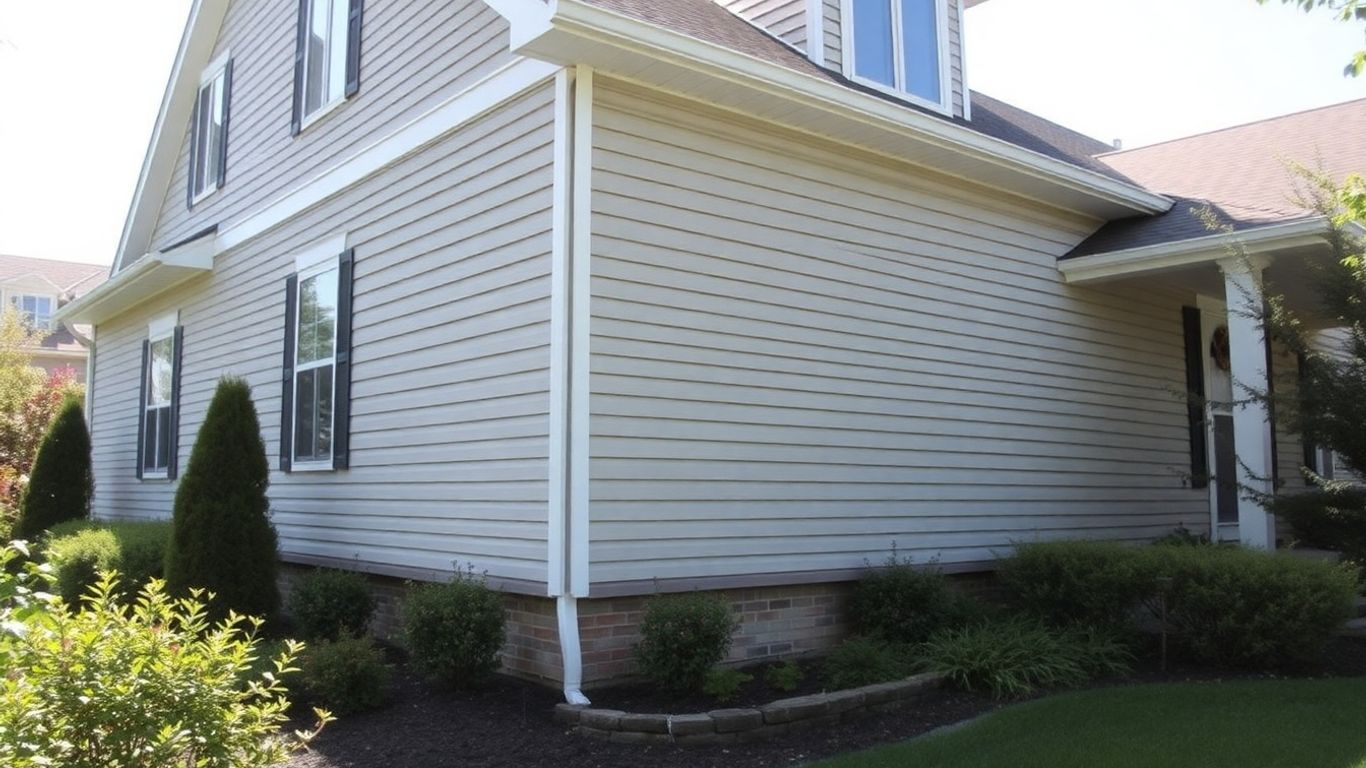
So, you’ve picked out some snazzy new siding. Awesome! But hold on a sec, just slapping it on yourself might not be the best idea. Getting siding installed right is way more important than most people realize. It’s not just about making your house look pretty; it’s about protecting your biggest investment from the elements.
Ensuring Proper Alignment and Secure Fastening
Think of your siding like a suit of armor for your house. If the pieces aren’t lined up perfectly and fastened down tight, water can sneak in. And nobody wants that. Professionals know how to make sure every panel is level and locked in place. They use the right nails, the right amount of them, and know where to put them so they actually hold. This stops things from getting loose or warping down the road. It’s all about creating a solid, weather-tight barrier.
Preventing Water Infiltration and Structural Damage
This is a big one. Water getting behind your siding is a recipe for disaster. It can rot the wood underneath, cause mold to grow, and even mess with your home’s structure. Professionals pay close attention to details like flashing around windows and doors, and they make sure seams are sealed up tight. They understand how different materials react to weather and how to install them so they shed water effectively. It’s a bit like making sure all the little gaps in your raincoat are actually sealed.
Avoiding Common Installation Pitfalls
There are a bunch of ways siding installation can go wrong if you’re not careful. You might end up with gaps, panels that buckle in the sun, or even siding that starts to sag. Sometimes people use the wrong fasteners, or too many, which can actually damage the wall. Improper sealing is another common issue. Professionals have seen it all and know how to avoid these headaches. They also make sure there’s proper ventilation, which is super important for preventing moisture buildup. It’s worth looking into hiring a siding contractor to get it done right the first time.
Improving Home Efficiency with Modern Siding
Integrating Advanced Insulation Properties
Think of your siding as more than just a pretty face for your house. Modern siding options are designed with energy efficiency in mind, acting as a key player in keeping your home comfortable year-round. Many new siding materials come with built-in insulation or are installed over additional insulation layers. This creates a thermal barrier that really helps keep the heat in during the winter and out during the summer. It’s like giving your home a cozy sweater in the cold and a cool vest when it’s hot.
Reducing Heating and Cooling Costs
When your siding is doing its job keeping the inside temperature steady, your heating and cooling systems don’t have to work as hard. This means less energy used, which directly translates to lower utility bills. Some studies suggest that homes with well-insulated siding can see energy use drop by as much as 10-20%. That’s real money back in your pocket, month after month. Plus, using less energy is just plain good for the environment.
Minimizing Air and Water Leaks
Beyond just insulation, new siding creates a tighter seal around your home. This is super important for stopping those annoying drafts that sneak in through cracks and gaps. A good seal also keeps moisture out, which can prevent bigger problems like mold or wood rot down the line. A well-installed, modern siding system is your home’s first line of defense against the elements, keeping it dry, draft-free, and energy-efficient.
Proper siding installation is key here. Even the best materials won’t perform well if there are gaps or if they aren’t secured correctly. It’s about creating a solid, continuous barrier that protects your home’s structure and your comfort.
Selecting the Right Siding Materials
Picking out the right siding for your house can feel like a big decision, and honestly, there are a lot of choices out there. It’s not just about how it looks, though that’s a huge part of it. You’ve got to think about how it’ll hold up against the weather where you live, how much work it’ll take to keep it looking good, and, of course, what fits your budget. Getting this choice right means your home will look great for years and might even save you money on energy bills.
Balancing Durability and Aesthetic Appeal
When you’re looking at siding, you’re really trying to hit that sweet spot between something that looks fantastic and something that can take a beating from the elements. A house that looks good from the street is one thing, but a house that stays looking good, even after a harsh winter or a summer storm? That’s the real win. You want materials that can handle rain, sun, wind, and maybe even hail, all while keeping their color and shape. It’s a bit of a juggling act, but finding that balance makes all the difference in the long run.
Comparing Popular Siding Options
Let’s break down some of the most common choices you’ll see:
- Vinyl Siding: This is probably the most popular option for a reason. It’s generally the most affordable, comes in a dizzying array of colors and styles (even some that mimic wood), and is pretty low-maintenance. You can hose it down, and it’s good to go. It’s been around for ages and has gotten better over time, resisting fading and impact.
- Wood Siding: If you’re going for a classic, natural look, wood is hard to beat. It’s a great insulator, too. Think clapboard, shingles, or shakes. The downside? It needs more upkeep. It’ll need regular painting or staining to protect it from moisture and insects, and that can add up in cost and effort.
- Fiber Cement Siding: This stuff is tough. It’s made from cement, sand, and cellulose fibers, so it’s really resistant to rot, insects, and fire. It can be made to look uncannily like real wood, but without all the maintenance headaches. It’s a bit pricier upfront, but it lasts a long time – think 50 years or more.
- Metal Siding (Steel & Aluminum): Metal siding is super durable and can withstand pretty extreme weather. It won’t crack or warp in wet conditions. Steel is strong, and aluminum is lighter. The main thing to remember with metal is that it will likely need to be painted periodically to keep it looking its best and to prevent rust, depending on the type.
Here’s a quick look at how they stack up:
| Material | Typical Lifespan | Maintenance Level | Cost (Relative) | Aesthetic Appeal | Durability |
|---|---|---|---|---|---|
| Vinyl | 20-40 years | Low | $ | Good to Very Good | Moderate to Good |
| Wood | 15-30 years | High | $$$ | Excellent | Moderate |
| Fiber Cement | 50+ years | Low | $$ | Very Good | Excellent |
| Metal (Steel) | 40-75 years | Medium | $$$ | Good | Excellent |
| Metal (Aluminum) | 30-50 years | Medium | $$ | Good | Very Good |
Considering Climate and Maintenance Needs
Your local weather plays a big role in what siding will work best. If you live somewhere with heavy rain and humidity, you’ll want materials that don’t rot or warp easily, like fiber cement or vinyl. If you get a lot of intense sun, you’ll need something that resists fading. And if you’re in an area prone to wildfires, fire-resistant options like fiber cement or metal are smart choices. Think about how much time and money you’re willing to spend on upkeep, too. Some materials just need a wash now and then, while others require regular painting or sealing. It’s all about finding the right fit for your specific situation.
Choosing siding isn’t just about picking a color. It’s about selecting a material that will protect your home, look good for a long time, and fit your lifestyle. Don’t rush the decision; take the time to compare options and think about what truly matters for your house and your budget.
Maximizing Return on Investment with Siding
Understanding Siding’s Impact on Home Appraisals
When it comes to selling your home, the exterior makes a big statement. New siding isn’t just about looking good; it’s a significant factor that appraisers consider. A home with fresh, well-maintained siding signals to potential buyers and appraisers that the property has been cared for. This can directly influence the home’s appraised value, often leading to a higher market price. Think of it as a visual cue that says "no immediate costly repairs needed here." Worn-out or damaged siding, on the other hand, can suggest underlying issues and might lead to a lower appraisal, as buyers anticipate future expenses.
The Financial Benefits of Quality Siding
Investing in quality siding can pay off in more ways than one. Beyond the boost in appraisal value, durable siding materials often mean lower maintenance costs over the years. Materials like fiber cement or engineered wood are built to last, resisting rot, insects, and harsh weather better than some older options. This durability translates into fewer repairs and replacements down the line. Plus, properly installed, energy-efficient siding can actually lower your monthly utility bills. It’s a smart move that protects your home and your wallet.
Here’s a quick look at how different siding types can impact your investment:
| Siding Material | Typical Cost Range (per sq ft installed) | Estimated ROI | Key Benefits |
|---|---|---|---|
| Vinyl | $3 – $7 | 75% – 80% | Affordable, low maintenance, variety of colors |
| Fiber Cement | $7 – $12 | 70% – 75% | Durable, fire-resistant, mimics wood |
| Engineered Wood | $6 – $10 | 70% – 75% | Natural look, durable, pre-finished options |
| Metal (Aluminum/Steel) | $5 – $10 | 65% – 70% | Durable, low maintenance, good for extreme weather |
Long-Term Value Through Durability and Low Maintenance
Choosing the right siding material is key to long-term value. While the initial cost might be a consideration, focusing on durability and low maintenance can lead to a better return over time. Materials that stand up well to the elements and require minimal upkeep mean you’re not constantly spending money on repairs or replacements. This makes your home more attractive to buyers who are looking for a property that won’t demand a lot of their time and money after they move in. It’s about making a smart choice now that benefits you for years to come.
A home’s exterior is often the first impression a buyer gets. Investing in quality siding is not just about aesthetics; it’s about protecting your home’s structure, improving its energy performance, and ultimately, increasing its resale value. When considering siding projects, think about the long-term benefits and how they contribute to your property’s overall worth.
Signs of Improper Siding Installation
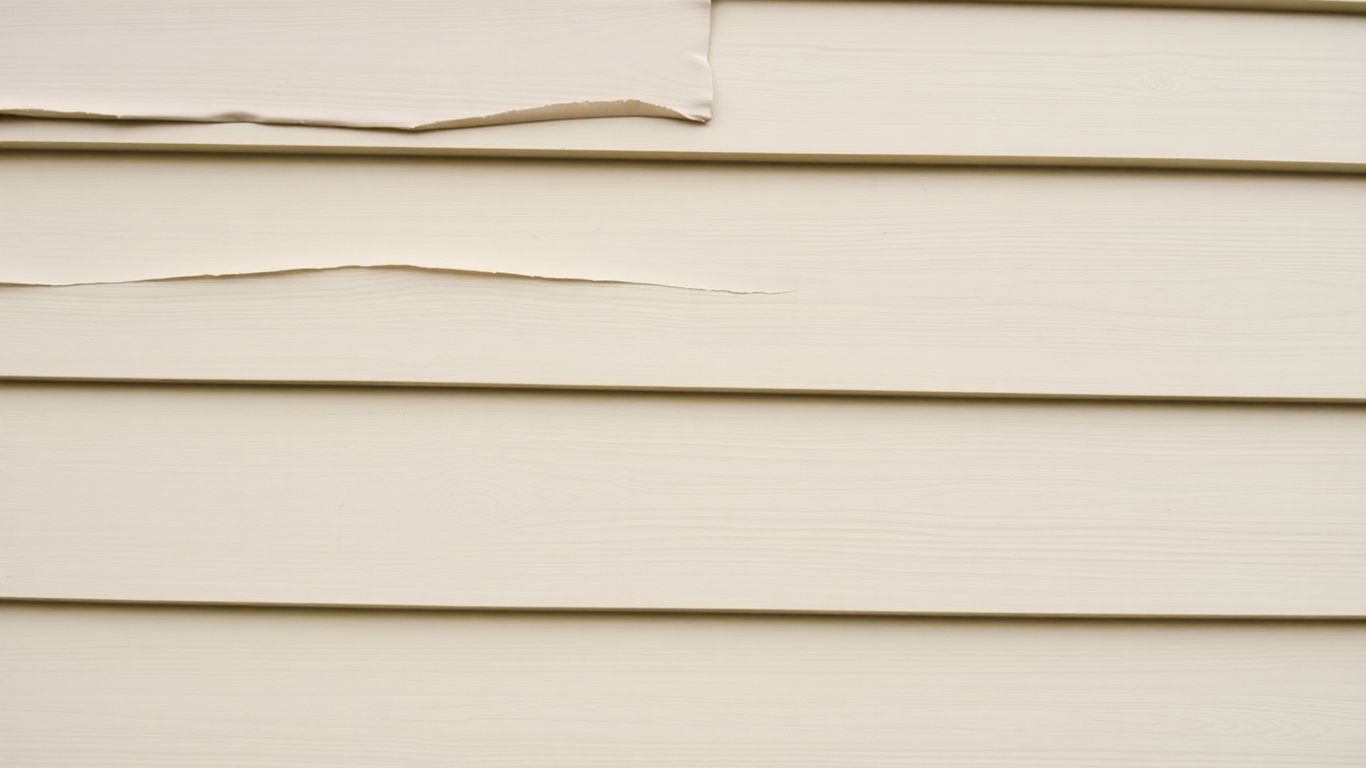
Sometimes, you can tell if siding wasn’t put on quite right just by looking. It’s not always obvious at first, but over time, these little mistakes can become bigger problems. Think of it like building something without a solid foundation – it might stand for a bit, but eventually, things start to go wonky.
Visible Gaps and Warping
One of the first things to watch out for are gaps. You shouldn’t see daylight or big spaces between siding panels, especially where they meet at corners or around windows and doors. These gaps are like open invitations for water and pests to get into your home’s structure. Warping is another tell-tale sign. If your siding looks like it’s bending or curling, particularly in the sun, that’s a sign it wasn’t installed with enough room to expand and contract with temperature changes. It can also mean the panels aren’t secured properly.
Moisture Stains and Drafts
If you start noticing water stains on your interior walls, especially near windows or exterior walls, it could be that your siding isn’t doing its job of keeping water out. This often happens when flashing wasn’t installed correctly around openings or when seams aren’t sealed up tight. You might also feel drafts of cold air coming in, even when your windows and doors are closed. This usually points to poor sealing or gaps in the siding system, which also means your heating and cooling are working overtime.
Loose or Sagging Siding Panels
Give your siding a gentle push (don’t go crazy, though!). If panels feel loose, wobbly, or seem to be pulling away from the house, that’s a clear indicator of improper installation. This can happen if the wrong fasteners were used, or if they weren’t driven in correctly. Sagging siding, where panels hang down unevenly, is another visual cue that things aren’t right. This not only looks bad but also compromises the siding’s ability to protect your home.
It’s easy to overlook small details during siding installation, but these details matter a lot. Things like not using the right nails, not allowing for expansion, or skipping proper sealing around edges can lead to a whole host of issues down the road. These problems aren’t just about looks; they can affect your home’s structural integrity and how comfortable it is inside.
Here are some common issues that point to installation problems:
- Gaps: Visible spaces between panels or around trim.
- Buckling: Siding panels that are not lying flat, often looking wavy.
- Loose Fasteners: Nails or screws that are sticking out or not holding the panel securely.
- Water Intrusion: Evidence of leaks, mold, or rot behind the siding.
- Uneven Appearance: Panels that don’t line up straight or have inconsistent spacing.
Wrapping It Up
So, when you look at your house, think about the siding. It’s doing a lot more than just sitting there looking pretty. It’s keeping you warm in the winter, cool in the summer, and protecting the whole structure from whatever Mother Nature throws at it. Plus, let’s be honest, a good-looking exterior just makes you feel better about your home. Whether you’re looking to sell soon or just want to enjoy your place more, new siding is a solid move. It’s an investment that pays off in comfort, lower bills, and definitely in curb appeal. Don’t forget to pick the right material and get it installed right – that makes all the difference.
Frequently Asked Questions
How does new siding make my house look better?
New siding can totally change how your house looks from the outside. It’s like giving your home a fresh coat of paint, but way more durable! It adds color, texture, and can even update the style of your house, making it look more attractive and valuable to people passing by or thinking about buying.
Why is it important to hire a professional for siding installation?
Hiring pros ensures your siding is put on correctly. They know how to make sure it’s lined up right, attached securely, and sealed up tight. This stops water from getting in, which can cause big problems like rot and damage to your home’s structure. A good job means fewer headaches later!
Can new siding help save money on my energy bills?
Yes, absolutely! Many modern siding options have built-in insulation or can be installed with extra insulation. This acts like a cozy blanket for your house, keeping the heat in during the winter and out during the summer. Less work for your heating and cooling system means lower energy bills.
What are the most popular types of siding?
Some top choices include vinyl, which is affordable and easy to care for; fiber cement, which is super strong and looks like wood but lasts longer; and engineered wood, which offers a natural wood look with better protection. The best one for you depends on what you need for your home’s style, budget, and the weather in your area.
How much does new siding add to my home’s value?
Putting on new siding is a great investment. It can make your home more appealing to buyers and often helps it sell faster and for a better price. Real estate pros say it can bring back a good chunk of the money you spent on it when you decide to sell.
What are some signs that my siding wasn’t put on correctly?
Watch out for gaps between the siding pieces, or if the siding looks wavy or loose. You might also notice water stains, drafts coming into your house, or even mold. These are all clues that the siding might not have been installed the right way and could lead to bigger issues.
