


As the cold winds start to blow and snow begins to fall, we need to think about keeping our homes safe. Winter can be tough on the outside of our houses. We want to make sure our home exterior protection is ready for whatever the season throws at us. Let’s look at some ways we can get our homes ready.
Key Takeaways
- We should check for any gaps or cracks around windows, doors, and where pipes enter the house. Sealing these up stops cold air from getting in and saves us money on heating.
- Our roofs and gutters need attention too. Clearing leaves and debris from gutters helps prevent ice dams, which can cause damage. Making sure the roof is in good shape is also part of good home exterior protection.
- Regularly looking at our siding and trim for any damage is smart. We also need to check that our windows and doors close well and aren’t letting drafts in. These steps help maintain our home exterior protection all winter long.
Strengthening Your Home Exterior Protection Against Winter’s Fury
Winter can be tough on our homes, and we want to make sure our exteriors are ready for whatever the season throws at them. Taking some proactive steps now can save us a lot of trouble and expense down the line. We’re talking about making sure the outside of our houses can stand up to freezing temperatures, heavy snow, and icy winds.
Sealing Vulnerable Entry Points
One of the first things we should look at are all the places where the inside of our home meets the outside. These are often weak spots that cold air can sneak into, and warm air can escape. Think about around pipes that go into the house, dryer vents, or even small cracks in the foundation. These little openings can let in a surprising amount of cold.
- Caulking around windows and doors is a must. We need to check for any gaps or cracks and fill them in. Old, dried-out caulk won’t do much good.
- We should also inspect any openings where utilities enter the house. Sometimes, there are gaps around electrical conduits or cable lines.
- Don’t forget about the attic hatch or any access panels. These can be big sources of heat loss if they aren’t sealed properly.
We can use expanding foam for larger gaps and good quality exterior caulk for smaller ones. It might seem like a small job, but it makes a big difference in keeping our homes warm and reducing heating bills.
Reinforcing Roofs and Gutters for Optimal Home Exterior Protection
Our roofs and gutters are on the front lines against winter weather. Snow and ice can put a lot of weight on the roof, and clogged gutters can lead to bigger problems like ice dams.
- Inspect your roof for any damaged or missing shingles. These are invitations for water to get in, which can freeze and expand, causing more damage.
- Clean out your gutters and downspouts thoroughly. Make sure there’s a clear path for water to flow away from the house. Leaves and debris are the main culprits here.
- Consider installing gutter guards if you don’t have them. They help keep leaves and other stuff from clogging up the works.
Ice dams can form when snow melts and then refreezes at the edge of the roof. This can force water back up under the shingles and into your home. Keeping gutters clear is a key step in preventing this.
Taking care of these exterior weak points before the worst of winter hits is just smart homeownership. It’s about protecting our investment and keeping our living spaces comfortable and safe.
We need to be thorough. A quick look might miss something important. Getting up on a ladder to check the roof and gutters is a good idea, but if we’re not comfortable with heights, it’s better to hire someone to do it. Safety first, always.
Preserving Your Home Exterior Protection Through Seasonal Maintenance
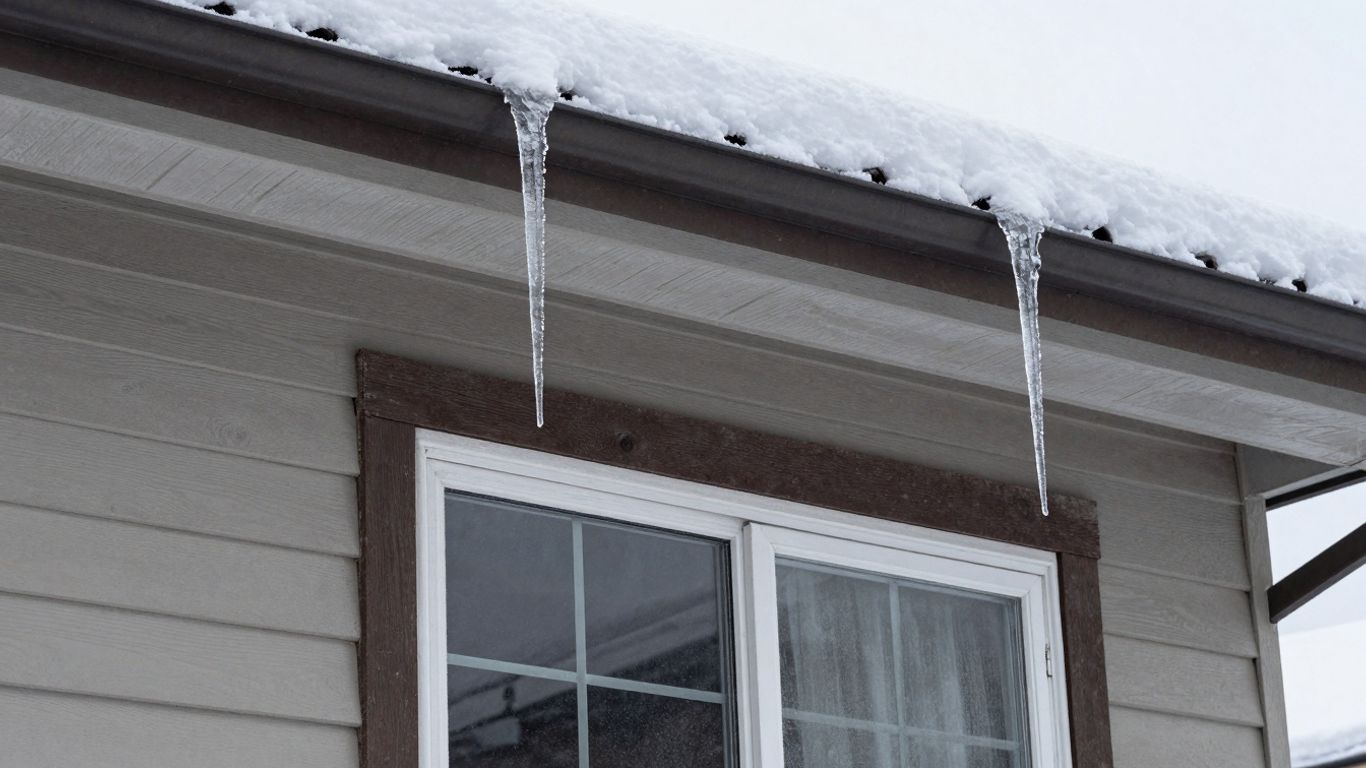
As the seasons change, so does the way we need to look after our homes. Winter can be tough on the outside of our houses, and a little bit of work now can save us a lot of trouble later. We’re talking about keeping things like siding, trim, windows, and doors in good shape so they can handle the cold, the ice, and the snow.
Protecting Siding and Trim from Ice and Snow
Our siding and trim take a beating all year, but winter adds its own set of challenges. Ice dams can form, and heavy snow can put pressure on these materials. We need to make sure they’re ready.
- Inspect for damage: Before winter really sets in, walk around your house and look for any cracks, loose pieces, or areas where paint is peeling on your siding and trim. Small problems can get much bigger when they freeze and thaw.
- Clean your gutters: This is a big one. Clogged gutters mean water can’t drain away properly. When that water freezes, it can back up under your shingles or against your siding, leading to ice dams and damage. We should clean them out at least twice a year, especially in the fall.
- Trim back branches: Overhanging tree branches can rub against your siding, especially when it’s windy. They can also drop snow and ice directly onto your house. Keeping them trimmed back helps prevent scratches and reduces the amount of snow load.
- Consider protective coatings: For certain types of siding, like wood, applying a fresh coat of paint or a sealant can add a good layer of protection against moisture and temperature changes.
Keeping an eye on the small stuff with your siding and trim now means you won’t be dealing with costly repairs when the weather gets really bad. It’s all about being proactive.
Safeguarding Windows and Doors for Lasting Home Exterior Protection
Windows and doors are often the weakest points when it comes to keeping the cold out and the warmth in. They also provide entry points for moisture if they aren’t sealed up right.
- Check weatherstripping: Look at the rubber or foam seals around your doors and windows. If they’re cracked, brittle, or compressed, they aren’t doing their job. Replacing worn-out weatherstripping is a simple fix that makes a big difference in drafts and heat loss.
- Inspect caulking: The caulk around window frames and door frames seals up small gaps. Over time, this caulk can dry out and crack. We should reapply caulk where needed to stop cold air from getting in and warm air from escaping.
- Use window insulation kits: For older or drafty windows, consider using a plastic film insulation kit. They’re inexpensive and can really help keep the heat inside your home during the coldest months.
- Test door sweeps: Make sure your doors have good door sweeps at the bottom. These prevent drafts from coming in under the door. If yours is damaged or missing, it’s an easy replacement.
Taking these steps for our windows and doors helps keep our homes comfortable and lowers our heating bills. It’s amazing how much heat can be lost through these areas if we don’t pay attention to them.
Wrapping Up: Keeping Your Home Safe
So, we’ve gone over a few ways to get our homes ready for winter. It might seem like a lot, but taking these steps now can save us a big headache later. Think about it: a little bit of work now means fewer repairs when the snow starts flying. We want our homes to be cozy and safe, not battling the elements. Let’s get these tasks done so we can relax when the cold weather hits. Our homes deserve it, and frankly, so do we.
Frequently Asked Questions
What are the most common spots where winter weather can harm our home’s outside?
We often find that places where different parts of our house meet are the weak spots. Think about where the walls meet the roof, or around windows and doors. These are the areas where cold air, snow, and ice can try to sneak in and cause trouble if they aren’t sealed up tight.
How can we best prepare our roof and gutters for heavy snow and ice?
To keep our roof and gutters ready for winter, we should first make sure the gutters are clear of leaves and debris. This way, melting snow has a clear path to drain away instead of backing up. We also want to check for any loose shingles or damage on the roof itself, fixing them before the snow starts piling up.
What simple steps can we take to protect our siding and trim from winter damage?
For our siding and trim, it’s smart to give them a good cleaning before winter arrives. We should also look for any peeling paint or cracks and fix them. Making sure water can’t get trapped against these parts of our home will help prevent ice buildup and damage throughout the cold months.
