


Your roof is that big shield over your head, you know? It keeps the rain out, the sun off, and generally makes sure your house stays a house. But it’s not just about not getting wet. A good roof helps keep your home comfy, saves you money on energy bills, and even makes it worth more if you ever decide to sell. We’re going to talk about why paying attention to your Residential Roofing is a really smart move.
Key Takeaways
- Your Residential Roofing is the main barrier against weather, protecting your home’s structure and everything inside.
- Different Residential Roofing materials, like asphalt shingles or metal, offer various benefits in terms of cost, looks, and how long they last.
- Regular checks and cleaning of your Residential Roofing system, including gutters, can prevent small issues from becoming big, expensive problems.
- Watch out for signs like leaks, sagging, or worn-out shingles, which indicate your Residential Roofing might need attention from a pro.
- When major damage occurs or your roof is old, calling a professional for your Residential Roofing ensures the job is done right and safely.
Understanding The Crucial Role Of Residential Roofing
Your Roof: The First Line Of Defense
Think about it – your roof is literally the hat your house wears. It’s the first thing that takes a beating from the sun, the rain, the snow, and the wind. Without a solid roof overhead, everything else inside your home is at risk. We’re talking about protecting your family, your belongings, and the very structure of your house from water damage, mold, and all sorts of other nasty stuff that can sneak in when things aren’t sealed up tight. It’s not just about keeping the weather out, though. A good roof is a complex system that works hard to keep your home comfortable and safe.
Beyond Aesthetics: Structural Integrity And Energy Efficiency
Sure, a nice-looking roof makes your house look good from the street, but its job goes way deeper than just curb appeal. A properly installed and maintained roof is key to keeping your home structurally sound. It helps distribute weight evenly, especially important if you get a lot of snow. Plus, it plays a big part in how energy-efficient your home is. The right kind of roof, with good ventilation, can help keep your house cooler in the summer and warmer in the winter, meaning your heating and cooling systems don’t have to work overtime. This can actually save you money on your energy bills.
A roof isn’t just a passive cover; it’s an active participant in your home’s overall health and efficiency. Ignoring its condition is like ignoring a leaky faucet – a small problem now can become a much bigger, more expensive headache later.
The Impact On Home Value And Comfort
When it comes time to sell your house, a good roof is a major selling point. Buyers notice it, and a worn-out or damaged roof can be a huge red flag, often leading to lower offers or even scaring potential buyers away altogether. On the flip side, a well-maintained, attractive roof adds real value to your property. Beyond the financial aspect, a solid roof contributes directly to your comfort. No one likes dealing with leaks, drafts, or the constant worry that a storm might cause damage. A reliable roof means peace of mind and a more comfortable living environment, no matter what the weather is doing outside.
Choosing The Right Residential Roofing Materials
Picking the right stuff for your roof is a big deal. It’s not just about how it looks, though that’s part of it. The materials you choose will affect how long your roof lasts, how well it keeps your home comfortable, and even how much energy you use. Think of it like building a sturdy house – you wouldn’t use flimsy wood for the foundation, right? Your roof deserves the same kind of thought.
Asphalt Shingles: A Popular And Durable Choice
Asphalt shingles are probably what you see on most houses. They’re popular for a reason: they’re pretty affordable and do a decent job protecting your home. Most asphalt shingles can last about 20 to 30 years if they’re installed right and you keep up with basic maintenance. They come in a bunch of colors and styles, so you can usually find something that fits your home’s look. They’re a solid, no-fuss option for many homeowners.
Metal Roofing: Longevity And Energy Savings
If you’re looking for something that lasts a really long time, metal roofing is worth a look. These roofs can easily last 50 years or more, which is a huge plus. Plus, metal roofs are known for being really good at reflecting the sun’s heat. This can actually help keep your house cooler in the summer, meaning your air conditioner doesn’t have to work as hard. This makes them a great choice for energy savings and for areas with really hot summers.
Exploring Premium Options: Tile And Slate
For a more high-end look and even longer lifespan, you might consider tile or slate. Clay or concrete tiles have a classic, beautiful appearance and can last for decades, sometimes even up to 100 years. Slate is even more durable, potentially lasting a lifetime. However, these materials are quite heavy, so your home’s structure needs to be able to support the weight. They also tend to be more expensive upfront and require specialized installation.
Considering Wood Shingles And Shakes
Wood shingles and shakes offer a natural, rustic charm that many people love. They can look fantastic on certain types of homes. However, they do require more upkeep than other options. You’ll need to keep an eye out for rot, insect damage, and fire risks. Regular maintenance is key to getting a good lifespan out of wood roofing, and they might not be the best choice in areas prone to wildfires or high humidity.
Here’s a quick rundown to help you compare:
- Asphalt Shingles: Good balance of cost and lifespan (20-30 years).
- Metal Roofing: Very durable (50+ years), energy-efficient, and low maintenance.
- Tile/Slate: Extremely long-lasting (up to 100+ years), premium look, but heavy and costly.
- Wood: Natural beauty, but requires more maintenance and has potential fire/rot risks.
Choosing the right material is about balancing your budget, the look you want, and how long you expect the roof to last. Don’t just pick the cheapest option; think about the long-term benefits and what will best protect your home.
When you’re trying to decide, it’s helpful to talk to a professional. They can explain the pros and cons of each material based on your specific home and local climate. Getting a good estimate for the materials and installation is also important. Remember, your roof is a major investment in your home’s safety and comfort.
Essential Maintenance For Your Residential Roofing System
Regular Inspections To Catch Issues Early
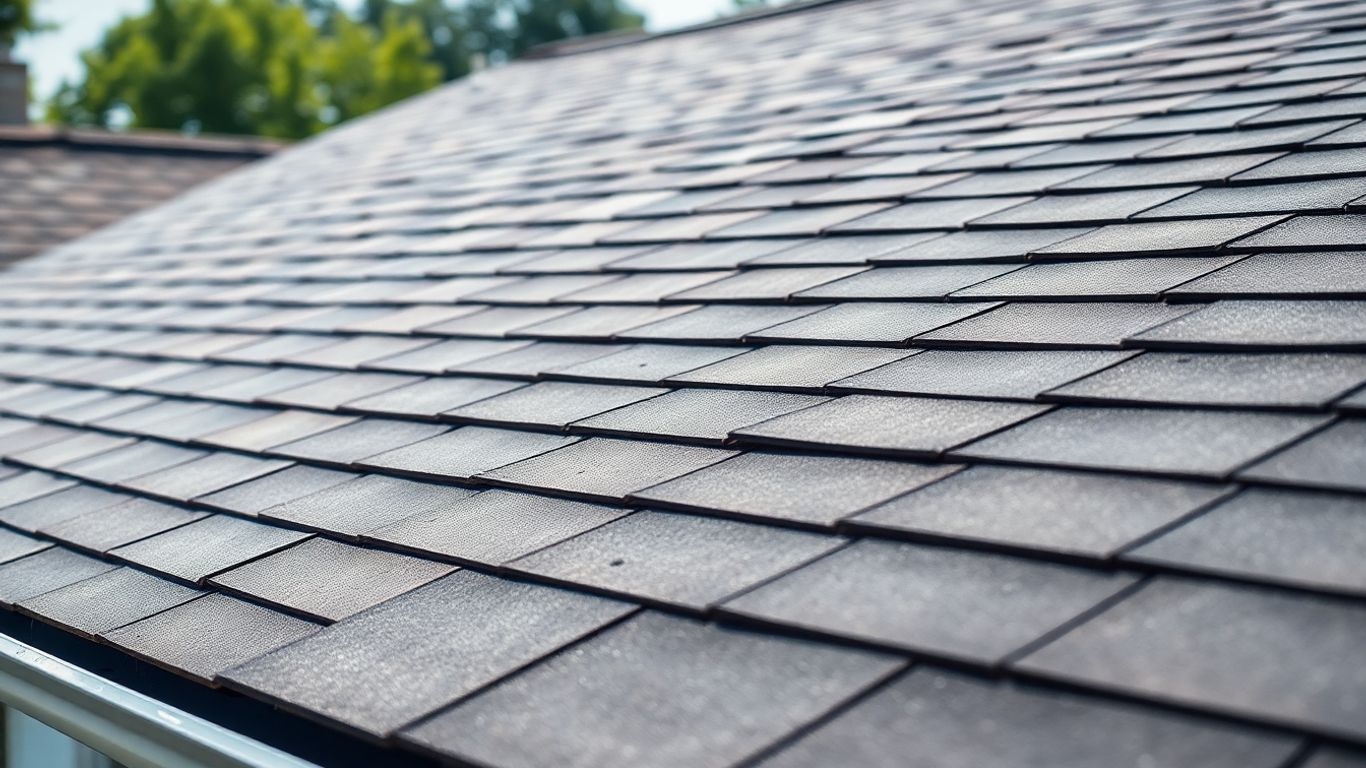
Think of your roof like your car. You wouldn’t just drive it until it breaks down, right? You get regular oil changes and checkups. Your roof needs that same kind of attention. Catching small problems early is the absolute best way to avoid big, expensive headaches down the road. It’s easy to forget about the roof, especially when it’s doing its job perfectly. But a quick look-over, maybe once or twice a year, can make a huge difference. After a big storm, it’s definitely a good time to take a peek. Look for anything that seems out of place – maybe a shingle is missing, or you see a spot that looks damaged.
The Importance Of Clean Gutters And Drainage
Gutters and downspouts are like the drainage system for your roof. If they get clogged up with leaves, twigs, or whatever else the wind blows in, water has nowhere to go. This can cause water to back up onto your roof, seep under shingles, and even damage your home’s foundation. It’s a pretty simple fix, really. Just make sure they’re clear. You can do this yourself, or if you’re not keen on climbing ladders, a professional can handle it. Keeping them clean helps water flow away from your house like it’s supposed to.
Managing Overhanging Tree Branches
Trees are nice, but branches that hang too close to your roof can cause trouble. They can scrape shingles, especially in windy weather, and wear them down over time. Plus, where there are branches, there’s often shade, which can lead to moss or algae growth on your roof. Moss holds moisture, and that’s not good for any roofing material. It’s a good idea to trim back any branches that are touching or very close to your roof. This simple step protects your shingles and keeps your roof cleaner.
Addressing Minor Issues Before They Escalate
Sometimes you might notice a small crack in a shingle, or maybe a bit of granule loss. These might seem like minor cosmetic issues, but they can be the start of something bigger. A small crack can let water in, which can then freeze and expand in colder weather, making the crack worse. Granule loss means the shingles are losing their protective layer, making them more vulnerable to sun damage. It’s always better to fix these little things right away. A small repair now can save you from a major leak or premature roof replacement later on.
Identifying Common Residential Roofing Problems
Your roof works hard, day in and day out, to keep your home protected. But over time, even the best roofs can start showing their age or develop issues. Catching these problems early can save you a lot of headaches and money down the road. It’s not always obvious when something’s wrong, so knowing what to look for is key.
Leaks and Water Damage Indicators
Leaks are probably the most obvious sign that something’s up, but they don’t always show up as a dripping ceiling. Sometimes, water damage is more subtle. Keep an eye out for:
- Dark or wet spots on your ceilings or walls, especially after rain.
- Peeling paint or wallpaper in areas near the ceiling.
- Water stains on attic beams or rafters.
- A musty or moldy smell in your attic or upper rooms.
These signs often mean water is getting past your shingles or flashing and into your home’s structure. It’s important to address these right away because moisture can lead to rot and mold, which are much bigger problems.
The Effects Of Moss, Algae, And Granule Loss
Seeing moss or algae growing on your roof might just look like a cosmetic issue, but it can actually harm your shingles. Moss holds moisture against the roof surface, which can break down the shingle material over time. Algae can cause those dark streaks you sometimes see. Both can shorten the life of your roof.
Another thing to watch for is granule loss. Shingles have tiny mineral granules that protect them from the sun’s UV rays. If you find a lot of these granules in your gutters or downspouts, it means your shingles are wearing out and losing their protection. This is especially common on older roofs.
Recognizing Sagging Or Buckling Rooflines
Your roof should have a nice, straight line. If you notice any areas that seem to be sagging or dipping in the middle, that’s a serious red flag. This usually points to a problem with the underlying structure of your roof, like damaged or rotted decking, or issues with the attic’s ventilation and moisture buildup. It could also mean the roof is carrying too much weight, perhaps from accumulated snow or debris.
When Shingles Show Signs Of Wear
Shingles themselves can tell you a lot about your roof’s condition. Look for:
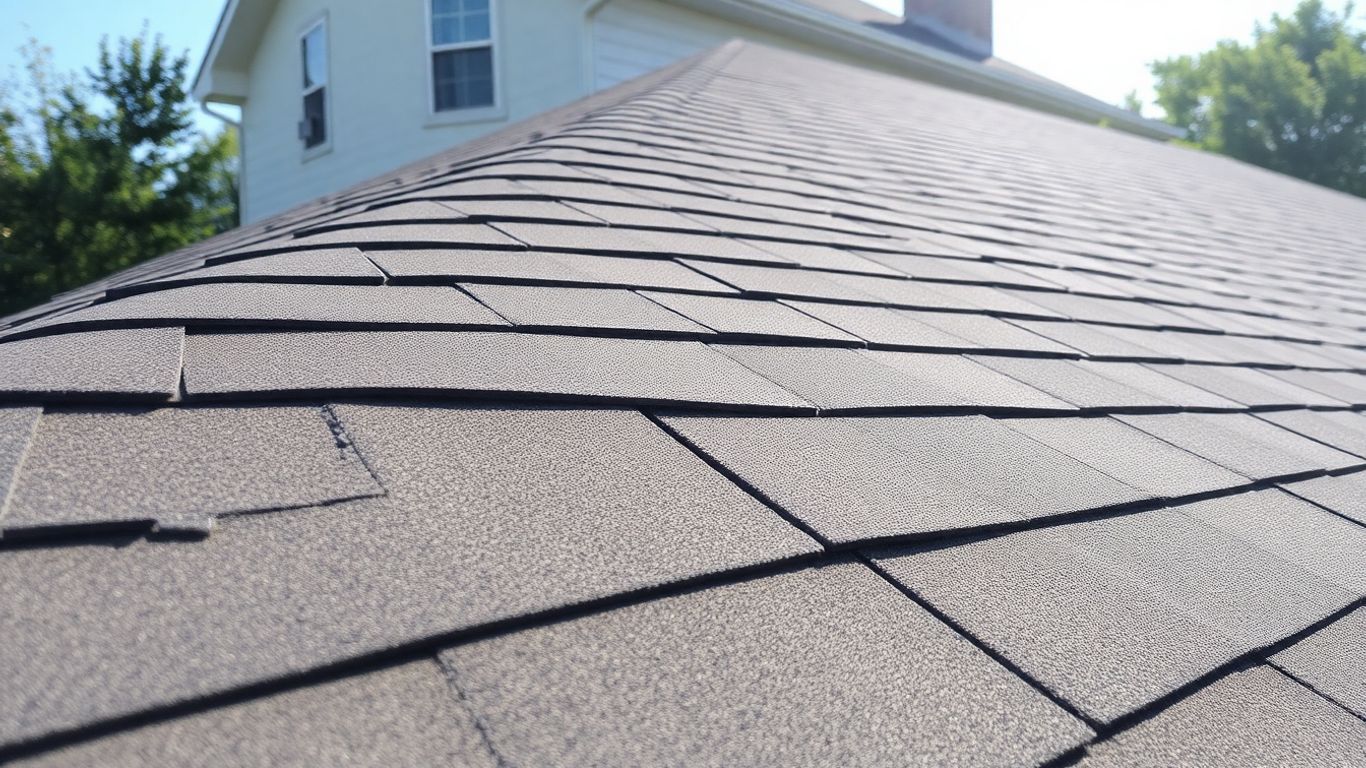
- Curling or cupping: This happens when the edges of the shingles start to lift or curl upwards.
- Cracking: Shingles can become brittle with age and weather, leading to cracks.
- Missing shingles: Obvious gaps where shingles used to be leave the underlayment exposed.
- Bald spots: Areas where the protective granules have worn away.
These are all indicators that your shingles are nearing the end of their lifespan and may need to be replaced soon. Ignoring these signs can lead to leaks and further damage.
It’s easy to think of your roof as just a static cover for your house, but it’s actually a dynamic system that’s constantly working against the elements. Regular checks, even just a quick visual scan from the ground after a storm, can help you spot trouble before it becomes a major repair bill. Don’t wait for a leak to start; be proactive about your roof’s health.
When To Call A Professional For Residential Roofing
Look, we all like to think we’re handy around the house, right? Maybe you’ve fixed a leaky faucet or assembled some IKEA furniture without too much drama. But when it comes to your roof, it’s a whole different ballgame. There are just some situations where trying to DIY it can end up costing you way more in the long run, not to mention the potential for a nasty fall. So, when should you really pick up the phone and call in the pros?
Signs Pointing To Major Structural Damage
Sometimes, the problems with your roof aren’t just a few loose shingles. You might notice things like:
- Visible sagging or unevenness across parts of your roofline. This is a big red flag that the underlying structure might be compromised.
- Persistent leaks that seem to come back even after a quick fix, especially if they’re showing up in multiple places or causing water stains on your ceilings or attic beams.
- Cracks or holes that are clearly visible, or areas where the roofing material looks like it’s about to give way.
These aren’t minor issues. They often point to deeper problems with the roof’s support system or water intrusion that’s been going on for a while.
Aging Roofs Requiring Expert Assessment
Roofs don’t last forever, plain and simple. Most asphalt shingle roofs have a lifespan of about 15 to 30 years, depending on the quality of the materials and how well they’ve been maintained. If your roof is pushing or has passed that 20-year mark, it’s probably time for a professional to take a good, hard look.
Even if you don’t see obvious damage, an older roof is more vulnerable. A roofer can spot signs of wear that you might miss, like:
- Granules collecting in your gutters (a sign shingles are breaking down).
- Shingles that are curling, cracking, or missing altogether.
- Areas where moss or algae growth might be weakening the material.
Getting an expert opinion on an aging roof can help you plan for a replacement before a small problem turns into a major disaster.
The Need For Guidance On Roof Replacement
Deciding to replace your roof is a big undertaking, and honestly, it can be pretty overwhelming. There are so many material choices, not to mention the costs involved. This is where a professional roofer truly shines.
They can help you understand:
- The pros and cons of different roofing materials like asphalt, metal, tile, or slate, based on your climate and budget.
- What a fair price looks like for the scope of work needed.
- The best way to approach the project to minimize disruption to your daily life.
Trying to figure out roof replacement on your own is like trying to navigate a maze blindfolded. You need someone who knows the ins and outs of the industry to guide you through the options and make sure you’re making the best decision for your home and your wallet.
Navigating Storm Damage And Insurance Claims
When severe weather hits – think high winds, hail, or heavy snow – your roof can take a beating. If you suspect storm damage, it’s crucial to get a professional assessment. They can identify all the damage, even the stuff that’s not immediately obvious.
Dealing with insurance companies can be a headache. A reputable roofing contractor can be your advocate, helping you document the damage properly and understand what your homeowner’s insurance policy should cover. They’ve been through this process before and can make it a lot smoother for you.
The Value Of Expert Residential Roofing Services
Look, nobody wants to think about their roof until there’s a problem, right? But when it comes to getting that roof fixed or replaced, picking the right people to do the job is a really big deal. It’s not just about slapping some shingles on; it’s about making sure your home is protected for years to come. A good roofing company brings a level of skill and know-how that you just can’t get from a weekend DIY project or a less experienced crew.
Expertise In Material Selection And Installation
Choosing the right materials is more than just picking a color. Professionals know which types of shingles, metal, or other roofing products will hold up best in our local weather. They understand how different materials interact with your home’s structure and ventilation. This knowledge prevents costly mistakes down the road. For instance, they can advise on the best underlayment for extreme heat or heavy rain, something a homeowner might overlook. Getting the installation spot-on is just as important. A poorly installed shingle can lift in the wind, and improper flashing around chimneys or vents can lead to leaks that are hard to find.
Ensuring Proper Ventilation And Waterproofing
Your roof system isn’t just the shingles; it’s a whole setup designed to keep water out and allow air to circulate. Proper ventilation stops heat and moisture buildup in your attic, which can damage your insulation and even the roof structure itself. Waterproofing involves more than just the main surface; it includes sealing around edges, valleys, and any penetrations. An expert contractor knows exactly how to set up this system so it works together. They’ll check that your attic has the right balance of intake and exhaust vents and that all vulnerable areas are sealed tight. This attention to detail is what separates a good roof from a great one.
Transparent Communication Throughout The Project
When you hire professionals, you should expect them to keep you in the loop. Roofing work can be noisy and disruptive, so knowing what to expect and when is helpful. A good company will explain the process, provide a clear timeline, and let you know if any unexpected issues pop up. They should be easy to reach if you have questions. This open communication builds trust and makes the whole experience less stressful. You’ll know what’s happening with your home, and you won’t be left guessing.
Long-Term Benefits Of Professional Workmanship
Getting it right the first time saves money. A roof installed by experts is more likely to last its full lifespan, meaning fewer repairs and less frequent replacement. This means you’re not just paying for a service; you’re investing in your home’s future. A well-maintained and properly installed roof can also help with your home’s energy efficiency, keeping it cooler in the summer and warmer in the winter. Plus, a solid roof adds to your home’s overall value. When it’s time to sell, a professionally done roof is a major selling point. For major projects like a full roof replacement, hiring a qualified contractor guarantees the work is done correctly and efficiently, saving you time and money in the long run. Find a qualified contractor.
Here’s what you can expect from top-tier service:
- Detailed inspection reports with photos.
- Clear, itemized quotes before work begins.
- Regular updates on project progress.
- Post-project cleanup and final walkthrough.
- Information on warranties and maintenance.
Wrapping It Up: Your Roof’s Big Job
So, when you really think about it, your roof is doing a ton of work for your house. It’s like the unsung hero, keeping everything inside safe and sound from whatever the weather throws at it. Making sure you’ve got a good roof, whether that means fixing it up or getting a whole new one, isn’t just about avoiding leaks. It’s about keeping your home solid, comfortable, and worth something for years to come. Don’t wait for a problem to pop up; taking care of your roof now means fewer headaches and less money spent later. It’s really about protecting what matters most, right from the top.
Frequently Asked Questions
What is the most important job of my roof?
Your roof is like your home’s shield! Its main job is to protect everything inside from bad weather like rain, snow, and wind. It also helps keep your home at a comfy temperature and can even make it worth more money.
How often should I check my roof?
It’s a good idea to look at your roof at least once a year, and also after any big storms. Catching small problems early, like a loose shingle or a clogged gutter, can stop them from turning into bigger, more expensive issues later on.
What are the most common roof problems?
Common issues include leaks, which can cause water damage inside your house. You might also see moss or algae growing, which can wear down your roof over time. Sometimes, roofs can start to sag or shingles might curl up, which are signs that something needs attention.
What’s the difference between asphalt shingles and metal roofing?
Asphalt shingles are a popular choice because they’re affordable and last about 20-30 years. Metal roofs are a bit more expensive upfront but can last much longer, sometimes 40-70 years, and are also good at saving energy.
When should I call a professional roofer?
You should call a pro if you see major leaks or damage, if your roof is getting old (like over 20 years) and looks worn out, or if many shingles are damaged. If you’re thinking about replacing your whole roof, an expert can help you choose the best option.
Why is it important to hire a good roofing company?
Hiring a skilled and trustworthy roofing company is super important. They have the experience to do the job right, use the best materials, and make sure your roof is installed correctly. This means your roof will last longer, protect your home better, and save you money on repairs in the future.
