


As winter weather fades, we often turn our attention to outdoor tasks. One area that deserves a close look is our roof. After months of snow, ice, and wind, it might have some hidden problems. Getting a handle on your roof’s condition now can save you a lot of trouble down the road. This is where thinking about professional residential roofing services becomes important.
Key Takeaways
- Winter can be tough on roofs, causing damage like missing shingles or ice dams. It’s smart to check for these issues.
- Small roof problems, if left alone, can grow into bigger, more expensive repairs. Regular checks help catch them early.
- Sometimes, the best option is a complete roof replacement. Professionals can help you figure out if this is needed for your home.
Assess Your Roof’s Winter Wear and Tear
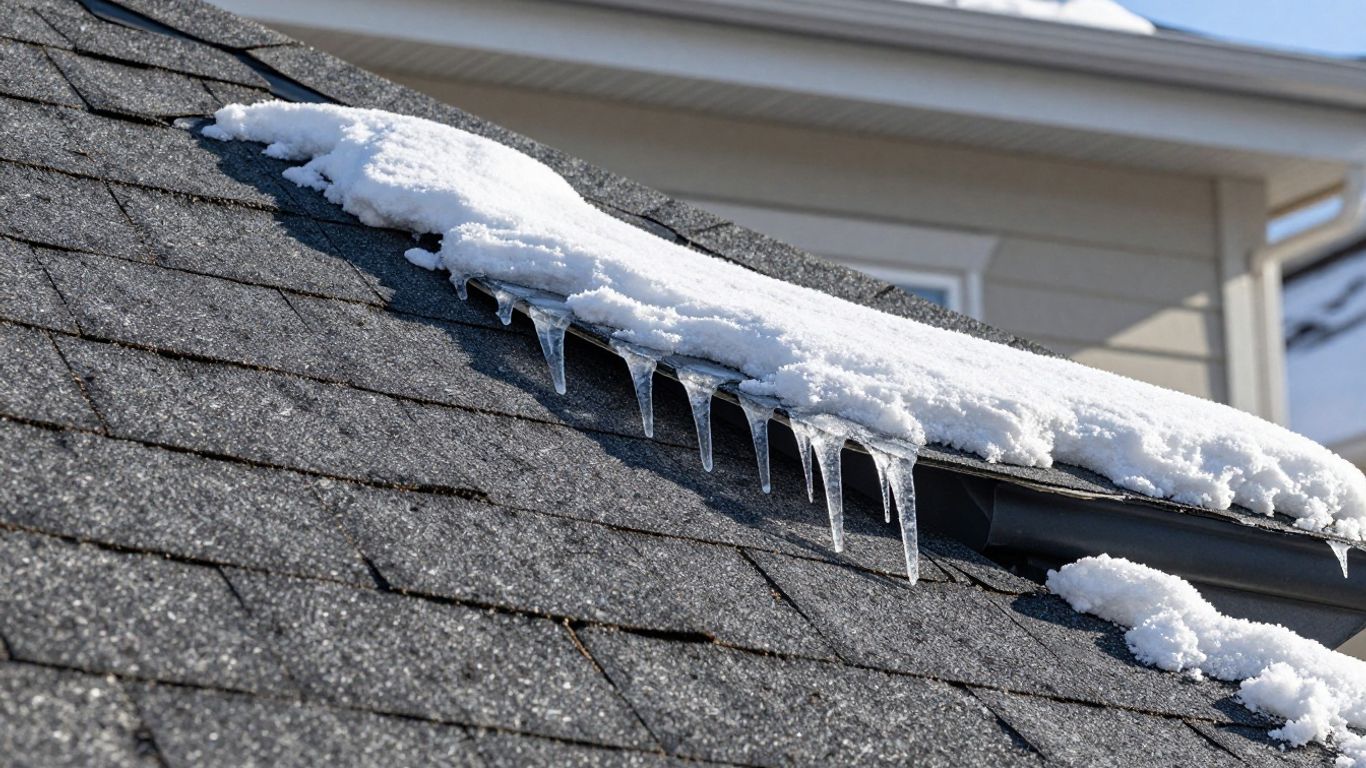
Winter can be tough on our homes, and the roof often takes the brunt of it. After months of snow, ice, and wind, it’s a good idea for us to take a close look at how our roofs held up. We want to catch any small problems before they turn into bigger, more expensive ones.
Identifying Common Roof Damage After Winter
We’ve seen a few things pop up after a harsh winter. Ice dams, for example, can form when snow melts and then refreezes at the edge of the roof. This can push water up under your shingles. We also need to watch out for missing or damaged shingles. Strong winds can lift them, and heavy snow can cause them to crack. Granule loss is another sign; you might see a lot of it in your gutters. This means the shingles are wearing down.
Here are some common issues we look for:
- Missing Shingles: Sections of your roof that are bare.
- Cracked or Curled Shingles: Shingles that are no longer lying flat or have visible breaks.
- Granule Buildup: A collection of small, sand-like particles in your gutters or downspouts.
- Ice Dams: Thick ridges of ice that form at the roof’s edge.
- Water Stains: Discoloration on ceilings or walls, indicating leaks.
The Importance of Proactive Roof Inspections
Taking a proactive approach to roof inspections is really important. It’s not just about fixing things when they break; it’s about preventing bigger issues down the line. A small leak, if ignored, can lead to rot in the roof structure and even mold growth inside your home. Regular checks help us spot these early signs. Catching problems early can save us a lot of money and hassle in the long run. It also helps make sure our homes stay protected from the elements throughout the year.
We often think of our roofs as just being there, doing their job without much thought. But they’re constantly working to keep us safe and dry. Giving them a little attention after winter is a small price to pay for that peace of mind.
Enhance Your Home’s Protection with Residential Roofing Services
Addressing Minor Issues Before They Escalate
After a long winter, it’s common to find small problems on your roof that might not seem like a big deal at first. We’ve seen it all – a few loose shingles here, some cracked sealant there, maybe a bit of debris collected in the gutters. These aren’t usually emergencies, but ignoring them is where trouble starts. Think of it like a small chip in your car’s windshield; it’s easy to put off, but it can quickly spread and become a much bigger, more expensive fix. Our team can come out and take a close look, patching up those minor spots before they have a chance to let water in. This kind of preventative maintenance saves you headaches and money down the road. It’s about keeping your home safe and sound.
When to Consider a Full Roof Replacement
Sometimes, winter’s toll is more than just a few loose shingles. If your roof is older, or if it’s suffered significant damage, a full replacement might be the best path forward. We look at a few key things when making this recommendation:
- Age of the Roof: Most asphalt shingle roofs last between 20-30 years. If yours is nearing or past that mark, it’s probably time to think about a new one.
- Visible Damage: We’re talking about widespread missing shingles, significant sagging in the roof deck, or extensive granule loss (you might see a lot of it in your gutters).
- Previous Repairs: If you’ve had to patch the same area multiple times, it might indicate a larger underlying issue.
- Energy Bills: An old, worn-out roof can be a major source of heat loss in the winter and heat gain in the summer, making your HVAC system work harder and driving up your energy costs.
Making the decision to replace your roof is a big one, but it’s an investment in your home’s long-term security and comfort. We can help you understand the options, from different materials to warranties, so you can make an informed choice that fits your budget and needs.
We often find that homeowners delay roof work because they’re unsure of the exact problem or the best solution. Our goal is to make that process clear and straightforward. We’ll walk you through our findings, explain the repair or replacement process step-by-step, and answer all your questions. We want you to feel confident in the work we do.
Wrapping Up Your Spring Roof Prep
As we move into the warmer months, taking a moment to think about our roofs is a good idea. We’ve talked about why getting a professional check-up before spring really gets going can save us headaches later. It’s not just about fixing things that are obviously broken; it’s about catching small issues before they become big, expensive problems. Letting the pros handle it means we can be more confident that our homes are protected from whatever the weather throws at us. So, let’s make sure our roofs are ready for anything this spring.
Frequently Asked Questions
How can we tell if our roof needs fixing after winter?
After the cold months, we often see things like missing shingles, cracks, or areas where water might have seeped in. Sometimes, you might notice debris on your roof or in your gutters that wasn’t there before. It’s a good idea to look for any signs that the winter weather might have caused damage.
Why is it better to fix small roof problems right away?
Fixing small issues early is like taking care of a tiny cut before it gets infected. A small leak or a loose shingle, if ignored, can lead to bigger, more expensive problems down the road, like water damage to your attic or even your home’s structure. We believe in tackling these little things to prevent major headaches.
When should we think about getting a whole new roof?
If your roof is quite old, has widespread damage, or if repairs are becoming a regular thing, it might be time to consider a full replacement. We’ll assess the overall condition and give you our honest opinion on whether a new roof is the most cost-effective and protective solution for your home.
