


As winter approaches, we need to think about our commercial roofs. Snow and ice can cause big problems if we aren’t careful. It’s not just about the roof itself; it’s about the whole building. We want to make sure everything stays safe and sound through the cold months. This is different from residential roof winter preparation, but the goal is the same: avoid damage and costly repairs. Let’s get our buildings ready.
Key Takeaways
- We should check our roofs for any issues before the snow starts falling. This includes making sure water can drain properly and looking for any damage to the roof material.
- We need to think about how much snow our roofs can handle. If there are weak spots, we might need to strengthen them. Also, we should have a plan for removing snow if it gets too heavy.
- Getting our commercial roofs ready for winter is important. It helps prevent damage and keeps our buildings safe. This process involves checking drainage, looking at the roof surface, and planning for snow load.
Inspect Your Commercial Roof System
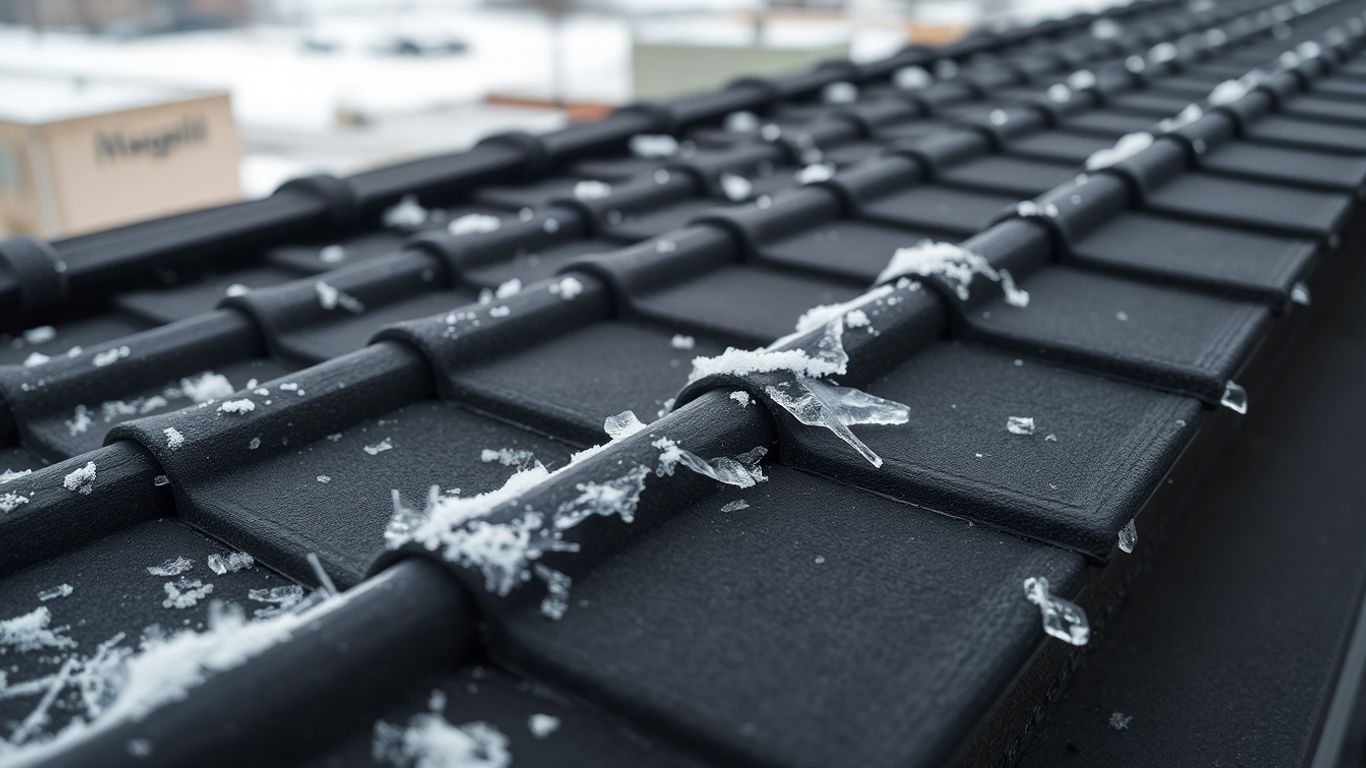
Before the first snowflake even thinks about falling, we need to give our commercial roof systems a good once-over. It’s easy to forget about the roof until there’s a problem, but a little preventative work now can save us a lot of headaches later. Think of it like checking your car before a long road trip; you wouldn’t want to break down in the middle of nowhere, right? The same applies to our buildings.
Check For Drainage System Blockages
Water and melting snow need a clear path to get off the roof. If your drainage system is clogged, water can pool up, freeze, and cause all sorts of damage. We’re talking about potential leaks, stress on the roof membrane, and even ice dams that can back water up under shingles or into the building.
- Clear out gutters and downspouts. Leaves, twigs, and other debris love to gather here, especially after a windy autumn. We should make sure they’re completely clear.
- Inspect scuppers and internal drains. These are often overlooked but are just as important as gutters. Check for obstructions and make sure they’re not rusted or damaged.
- Look for signs of standing water. After a rain, if water sits on the roof for more than 48 hours, it’s a sign that your drainage isn’t working as well as it should.
A well-functioning drainage system is the first line of defense against winter water damage. Don’t let clogged drains turn a little rain into a big problem.
Assess Membrane Integrity
Our roof membrane is the main barrier protecting the building. We need to check it for any weak spots or damage that could let moisture in or be worsened by snow and ice.
- Look for cracks, blisters, or punctures in the membrane. Even small ones can grow larger with temperature changes and freeze-thaw cycles.
- Check seams and flashing. These are common areas for leaks. Make sure the seals are intact and there’s no lifting or separation.
- Examine the edges of the roof. The perimeter is often exposed to the elements and can be prone to damage.
We should also be mindful of any areas that look worn down or have had repairs done in the past. A thorough inspection helps us identify potential issues before they become costly repairs. It’s better to patch a small tear now than to deal with a major leak when the weather is at its worst.
Address Potential Snow Load Issues
As winter approaches, we must consider the weight snow can put on our commercial roofs. It’s not just about a little bit of white stuff; heavy, wet snow or ice accumulation can add up to a significant load. We need to be proactive about this.
Reinforce Structural Weaknesses
Sometimes, roofs have areas that aren’t as strong as others. These spots can become weak points when faced with heavy snow. We should look for any signs of sagging or unusual stress on the roof structure, especially around internal supports or where the roof meets walls. If we find any areas that seem less sturdy, we need to get them reinforced before the snow starts falling. This might involve adding extra supports or strengthening existing ones. Ignoring these potential weak spots could lead to serious damage, including leaks or even structural collapse. It’s better to be safe than sorry when it comes to the integrity of our building.
Consider Snow Removal Strategies
Even with a strong roof, there might come a time when the snow load becomes too much. We need a plan for how we’ll handle excessive snow. This doesn’t mean we have to clear every single snowflake, but we should identify areas where snow buildup is most likely to cause problems, like near HVAC units or drainage outlets. We should also think about when to remove snow. Waiting too long can make the job harder and more dangerous.
Here are some things to think about for snow removal:
- When to Act: Monitor weather forecasts and snow accumulation. Don’t wait until the roof is overloaded.
- Who Will Do It: Decide if we have in-house staff trained for this or if we’ll need to hire a professional snow removal service.
- Safety First: Snow removal can be dangerous. Ensure anyone performing the task has the right safety equipment and training.
- Method Matters: Using the right tools, like roof rakes designed for snow, can prevent damage to the roofing membrane.
We need to have a clear strategy in place for snow removal. This includes knowing who is responsible, what tools we’ll use, and when it’s time to call in the professionals. A well-thought-out plan can save us a lot of trouble down the line.
Wrapping Up
So, we’ve gone over what we can do to get our commercial roofs ready for winter. It might seem like a lot, but taking these steps now can save us a lot of trouble down the road. Think about it: less worry about leaks, less damage, and a longer life for the roof itself. We’re not trying to be alarmists, but snow and ice can really do a number on a building if we’re not careful. A little bit of work now means a lot less stress when the first big storm hits. Let’s make sure our buildings are as safe and sound as possible before the cold weather really sets in.
Frequently Asked Questions
Why is it important to check our roof before winter?
We need to make sure our building’s roof is strong and ready for the heavy snow and ice that winter can bring. Checking it now helps us find and fix small problems before they become big, costly issues, like leaks or even roof collapses, which could really disrupt our business.
What should we do if we notice a lot of snow piling up?
If we see too much snow on the roof, we should think about getting it cleared. We can consider hiring professionals to safely remove some of the snow. It’s important not to wait too long, as too much weight can stress the roof structure and potentially cause damage.
How often should we inspect our roof for winter readiness?
We recommend a thorough inspection at least once a year, ideally in the fall before the bad weather hits. However, if we experience unusually heavy storms or notice any strange sounds or signs of damage, we should get it checked out right away, no matter the season.
