


As the weather starts to cool down, it’s time we think about getting our homes ready for winter. Our roofs take a beating all year, and the cold, snow, and ice can really do some damage if we’re not careful. Doing some roof winter preparation now can save us a lot of headaches and money down the road. Let’s go over what we can do to make sure our roofs are in good shape for the coming months.
Key Takeaways
- We should look over our roofs closely for any problems before winter hits hard. Check for loose shingles or anything that looks like it might leak.
- Keeping gutters and downspouts clear is a big part of roof winter preparation. Clogged gutters can cause water to back up and freeze, which is bad news for your roof.
- Sometimes, it’s best to let the pros handle the roof winter preparation. They have the tools and know-how to spot and fix things we might miss.
Conducting a Thorough Roof Inspection For Winter
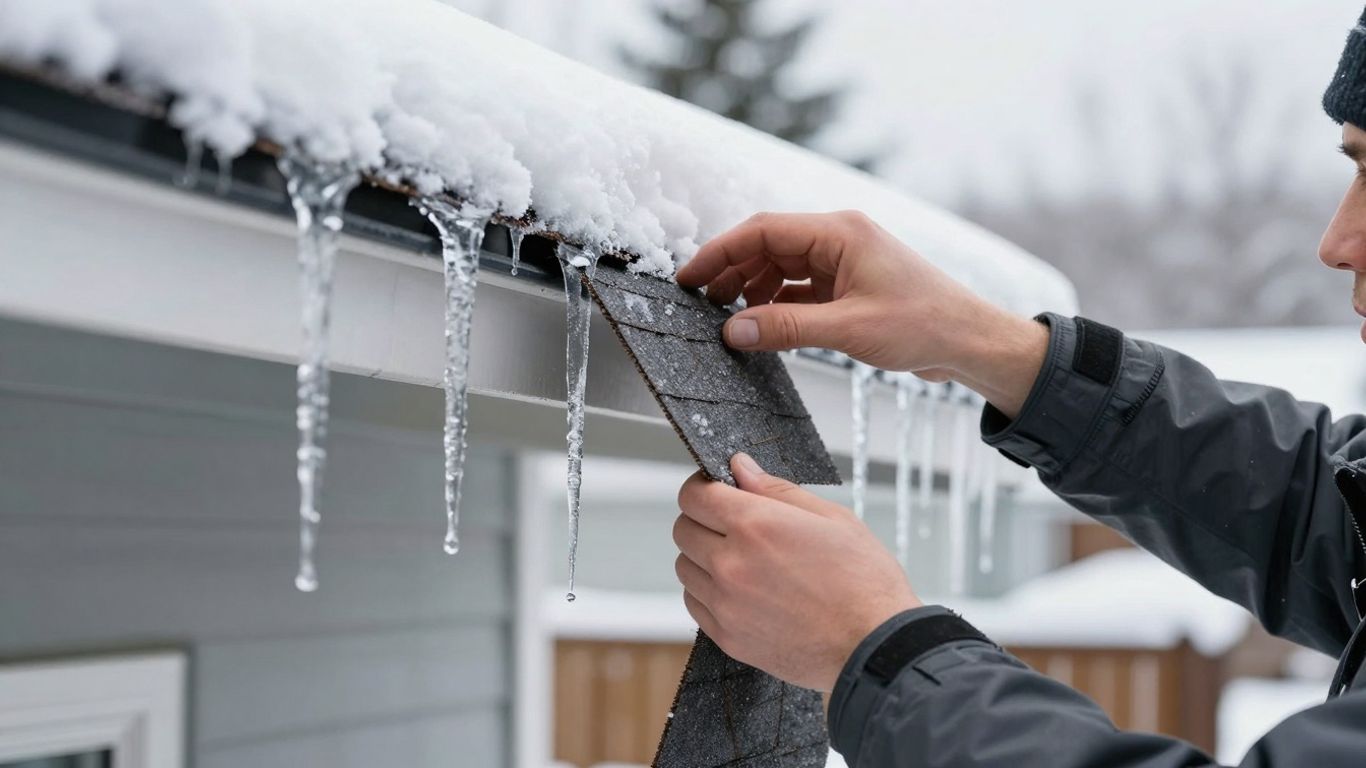
Before the first snowflake falls, we need to give our roofs a good once-over. It might not be the most exciting task, but it’s really important for preventing bigger problems down the line. Think of it as a check-up for your house’s hat.
Identifying Potential Damage Before Winter Sets In
We should start by looking for any signs of wear and tear. This means checking for shingles that are cracked, curled, or missing altogether. Loose or damaged shingles can let water seep underneath, which is bad news when freezing temperatures hit. We also want to look at the flashing around chimneys, vents, and skylights. This is the metal or rubber material that seals joints, and if it’s damaged or loose, it’s an open invitation for leaks. A small problem now can turn into a costly repair after a harsh winter. We should also check for any soft spots on the roof surface, which could indicate water damage or rot in the underlying structure.
Checking Gutters and Downspouts for Blockages
Next up are the gutters and downspouts. These guys are responsible for directing water away from our foundation. If they’re clogged with leaves, twigs, or other debris, water can back up. This backed-up water can then freeze, expand, and damage the gutters themselves, or worse, seep into the eaves and walls. We need to make sure they are clear and that the downspouts are properly directing water away from the house. It’s a good idea to check them after any major wind or leaf fall, but definitely before winter really kicks in.
Keeping an eye on your roof’s condition before winter is like putting on a warm coat before going out in the cold. It’s a simple step that saves a lot of trouble later.
Essential Roof Winter Preparation Steps
Now that we’ve scouted out any trouble spots, it’s time to get our hands dirty with some actual prep work. We want to make sure our roofs are in good shape before the snow starts piling up.
Clearing Debris and Overhanging Branches
First things first, we need to clear off any loose debris that’s gathered on the roof. Think leaves, twigs, maybe even some old nesting material from birds. This stuff can hold moisture, and when it freezes, it can cause problems. We should also take a good look at any tree branches that are hanging over our house. If they look weak or are rubbing against the roof, it’s best to trim them back. Falling branches after a heavy snowfall can do a lot of damage. We don’t want any surprises when the wind picks up.
Addressing Moss and Algae Growth
Sometimes, we might notice patches of moss or algae growing on our shingles. While it might not seem like a big deal, this stuff can actually break down the roofing material over time. It holds onto moisture, which, as we’ve discussed, isn’t great for roofs in cold weather. We can usually get rid of it with a gentle cleaning solution and a soft brush. Just be careful not to scrub too hard, as we don’t want to damage the shingles themselves. It’s a good idea to tackle this before winter really hits.
Taking care of these smaller issues now can save us a lot of headaches later. It’s all about being proactive and giving our roofs the best chance to handle whatever winter throws at them.
Proactive Measures for Winter Roof Care
Beyond the basic checks, we can take some extra steps to really get our roofs ready for whatever winter throws at them. It’s about being a bit ahead of the game, you know?
Reinforcing Shingles and Flashing
We should pay close attention to the shingles, especially around the edges and any areas that look a bit worn. Loose or cracked shingles are basically an open invitation for water and ice to sneak in. We’ll want to check the flashing too – that’s the metal material used where the roof meets a wall or chimney. If the flashing is bent, rusted, or has gaps, it’s a weak spot. Securing these areas now can prevent bigger problems later. We can use roofing cement or sealant to fix small issues, but if we see widespread damage, it might be time to think about replacing those sections.
Considering Professional Roof Winter Preparation Services
Sometimes, we might not have the time, the tools, or just the confidence to do these checks ourselves. That’s perfectly okay. There are professionals who specialize in roof maintenance, and they can give our roofs a really thorough once-over. They have the experience to spot things we might miss and the right equipment to fix them properly. It’s a good idea to get a quote from a reputable roofing company, especially if our house is older or if we’ve noticed any concerning signs during our own inspections. They can often provide a detailed report of their findings and recommend specific actions.
Getting a professional opinion can save us a lot of headaches and money down the line. They know what to look for, from subtle signs of wear to potential structural issues that could become serious problems under the weight of snow and ice.
Wrapping Up
So, we’ve gone over a few things to get your roof ready for winter. It might seem like a lot, but taking these steps now can save us a lot of trouble down the road. Think of it as giving our homes a good check-up before the cold really hits. A little bit of work now means less worry about leaks or damage when the snow starts falling. We hope this helps you feel more confident about tackling roof prep. Stay warm out there!
Frequently Asked Questions
When should we start getting our roof ready for winter?
It’s best to tackle roof prep before the cold really hits. Think late fall, like October or November. This gives us plenty of time to fix any issues before snow and ice become a problem.
What are the most common roof problems we should look for before winter?
We often find loose or missing shingles, which can let water seep in. Also, clogged gutters are a big one! If water can’t drain, it can freeze and cause damage. We should also check for any spots where moss or algae might be growing, as these can hold moisture.
Is it okay to just let a professional handle all our roof winter prep?
While we can certainly do a lot ourselves, hiring professionals is a smart move, especially if we’re not comfortable climbing on the roof or if we suspect bigger problems. They have the tools and expertise to do a really thorough job and ensure everything is sealed up tight against the winter weather.
