


Winter weather can be tough on our homes, and sometimes, that means dealing with unexpected roof problems. When a storm hits or ice builds up, we might find ourselves needing to handle emergency roof repair winter situations. It’s not something anyone plans for, but knowing what to do can save a lot of stress and potential damage. We’ll walk through how to assess what’s going on and what steps to take to get things fixed, even when it’s cold outside.
Key Takeaways
- When winter damage happens to your roof, it’s important to look for signs like leaks or missing shingles. Safety first is a must when you check things out, especially when it’s cold or icy.
- Finding someone for emergency roof repair winter work means looking for local pros who can act fast. Temporary fixes might be needed to stop leaks until a permanent repair can be done.
- Dealing with an emergency roof repair winter job requires quick thinking and action to protect your home from further harm.
Assessing Winter Roof Damage
Winter weather can be tough on our homes, and the roof is often the first thing to take a hit. When snow, ice, and wind batter your roof, it’s important we know what to look for. Sometimes, damage isn’t obvious until a leak starts dripping inside. We need to be proactive and check for signs that our roof might be struggling.
Identifying Signs of Urgent Roof Issues
We should keep an eye out for a few key indicators that our roof needs attention, especially when the weather gets rough. Ignoring these can lead to bigger, more expensive problems down the line. A persistent drip inside the house is a clear sign something is wrong.
- Water Stains: Look for discolored patches on ceilings or walls, especially after a storm or thaw.
- Sagging Roof Decking: If you can see any part of your roof from the attic, check if it looks like it’s bowing or sagging. This can mean water is getting trapped.
- Ice Dams: These are ridges of ice that form at the edge of your roof, preventing melting snow from draining. They can force water back up under shingles.
- Missing or Damaged Shingles: High winds can tear off shingles, and the freeze-thaw cycle can make them brittle and prone to cracking.
- Granule Loss: Shingles shed granules over time, but a sudden, large amount of granules in your gutters or downspouts might signal wear.
Prioritizing Safety During Winter Roof Inspections
When we need to check our roof, safety has to be our top concern. Winter conditions make roofs slippery and dangerous. If we’re not comfortable or equipped to go up there, it’s best to call a professional. We don’t want anyone getting hurt.
- Never go on a roof when it’s icy or wet. Wait for a clear, dry day if you must inspect it yourself.
- Use a sturdy ladder and make sure it’s placed on solid ground. Have someone hold the ladder for you.
- Wear appropriate footwear with good grip.
- If you’re inspecting from the ground or attic, use a bright flashlight to spot any damage.
- Consider hiring a professional if the damage looks serious or if you have any doubts about your safety.
When assessing roof damage in winter, remember that conditions can change rapidly. What looks like a minor issue can quickly become a major problem with just a little more bad weather. It’s always better to be safe than sorry, and that often means calling in the experts when you suspect trouble.
Securing Your Home with Emergency Roof Repair Winter Services
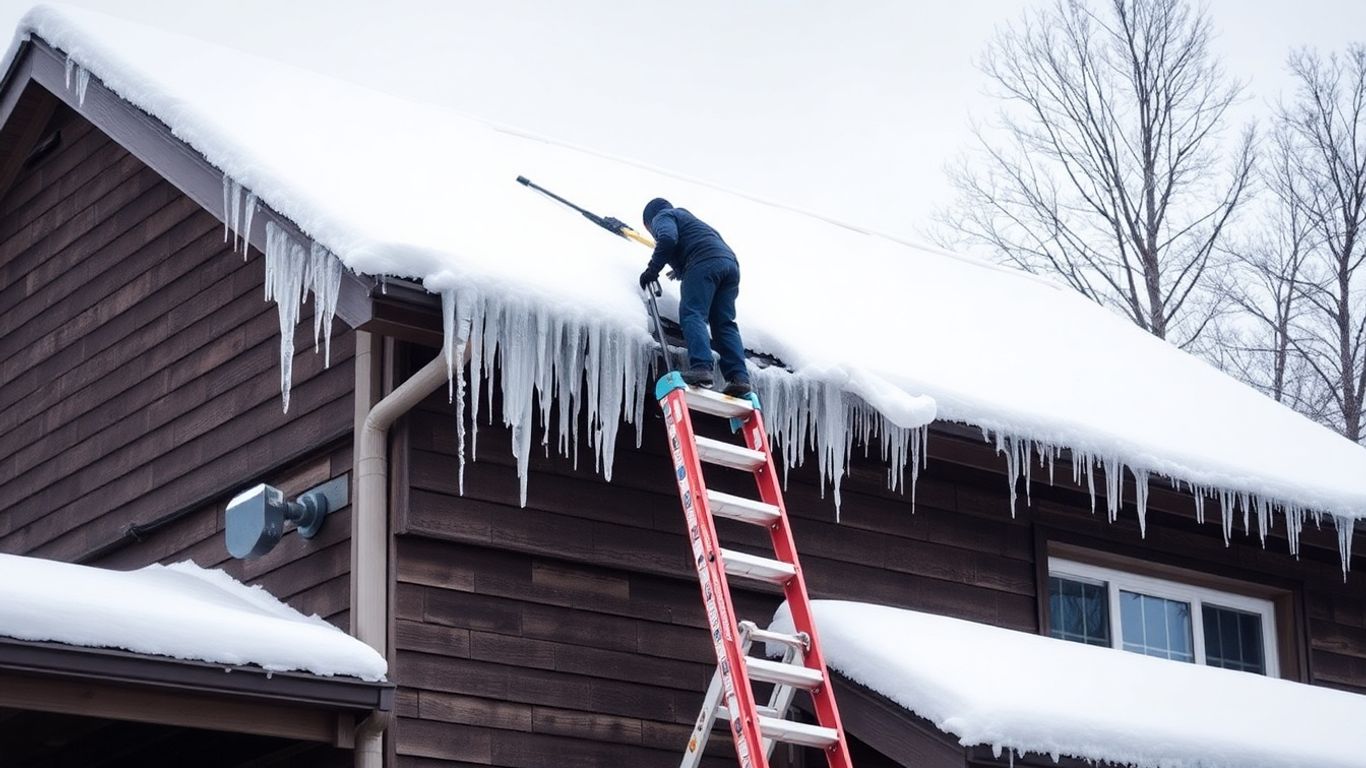
When winter weather hits hard, a damaged roof can quickly turn into a serious problem. We know that dealing with a leaky or compromised roof during the cold months is stressful. That’s why understanding how to get emergency roof repair services in winter is so important. Our goal is to help you protect your home and family from further damage and discomfort.
Finding Reputable Contractors for Emergency Roof Repair Winter
Finding the right help when you need it most can feel overwhelming, especially when the weather is bad. We look for contractors who have a solid reputation for handling winter repairs. This means checking reviews, asking neighbors for recommendations, and making sure they are licensed and insured. It’s also a good idea to ask if they have specific experience with winter roofing issues. Some companies might be better equipped to handle ice dams or snow load problems than others.
Here are a few things we consider when choosing a contractor:
- Availability: Do they offer 24/7 emergency services?
- Experience: Have they worked on roofs in similar winter conditions?
- Insurance and Licensing: Are they properly covered and legally able to perform the work?
- References: Can they provide contact information for past clients?
- Quoting Process: Do they provide clear, written estimates before starting work?
Understanding Temporary Fixes for Winter Roof Leaks
Sometimes, a full roof replacement isn’t possible or necessary right away, especially in the middle of winter. In these cases, temporary fixes are key to preventing more damage. We’ve learned that a good temporary repair can buy us time until a more permanent solution can be implemented when the weather improves.
Common temporary fixes we might consider include:
- Patching small leaks: Using tarps or specialized roofing cement to cover small holes or damaged areas. This is usually a short-term solution to stop water from getting inside.
- Addressing ice dams: Sometimes, carefully removing snow and ice from specific areas of the roof can relieve pressure and prevent water backup. This needs to be done with extreme caution.
- Securing loose shingles: If shingles are lifted by wind or ice, we might temporarily secure them with roofing nails or adhesive until they can be properly replaced.
It’s important to remember that temporary fixes are just that – temporary. They are meant to mitigate immediate damage and prevent further issues until a professional can perform a lasting repair. We never want to rely on these solutions for too long, as they might not hold up against severe winter conditions.
When dealing with winter roof problems, acting quickly and wisely is our best approach. Getting the right emergency help can make all the difference in keeping our homes safe and dry.
Wrapping Up: Staying Safe and Dry
Dealing with a leaky roof in the cold can be a real headache. We’ve gone over some steps to help you manage the situation, from quick fixes to knowing when to call in the pros. Remember, safety comes first when you’re up on a slippery roof. If the damage looks bad or you’re not comfortable with the repair, don’t hesitate to get a professional involved. A little preparation and knowing who to call can save you a lot of trouble and keep your home warm and dry all winter long. We hope this guide helps you feel more prepared for whatever winter weather throws your way.
Frequently Asked Questions
What are the first things we should check if we suspect our roof is damaged in the cold weather?
When winter weather hits hard, we should first look for obvious signs of trouble. This includes checking for dripping water inside our homes, which could mean a leak. We also need to see if any shingles are missing or look loose from the outside, especially after strong winds or heavy snow. Ice dams, which are ridges of ice that form at the edge of the roof, are another big red flag we should watch out for.
How do we make sure it’s safe to look at the roof when it’s cold and possibly icy?
Safety is super important when checking our roof in winter. We should never go up on a slippery roof ourselves. Instead, we can often see a lot from the ground with binoculars or by looking out of an upstairs window. If we absolutely must get closer, we should wait for a warmer, clearer day and make sure we have proper safety gear, like non-slip boots and a sturdy ladder, or better yet, let the professionals handle it.
What can be done quickly if our roof starts leaking during a snowstorm?
If a leak pops up during a storm, our main goal is to stop water from getting further inside. We can place buckets or pans under the drip to catch the water. For a temporary fix, we might be able to cover the damaged roof area from the outside with a tarp, but this is often best left to experts who can do it safely. The most crucial step is to call for emergency roof repair help right away.
