


How Chimney Flashing Helps Prevent Leaks During September Storms in Holmen, WI
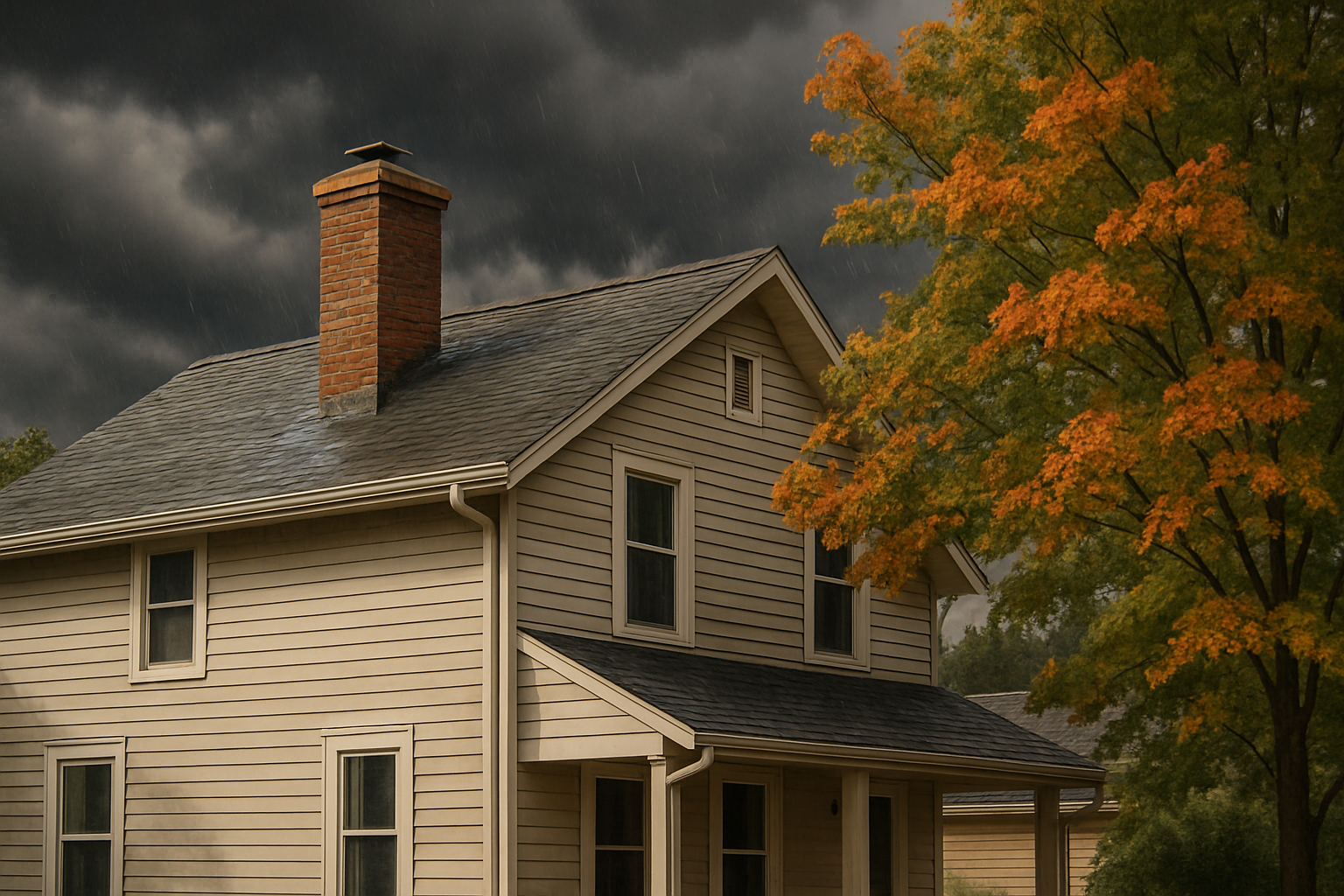
September in Holmen, Wisconsin is a beautiful time of year—cooler mornings, changing leaves, Friday night lights, and that first real reminder that fall is on the way. But as any local homeowner knows, September weather can also be unpredictable. One week may bring warm, humid afternoons, while the next brings steady rain, gusty winds, and chilly evenings. Those seasonal storms can expose weak points in your roofing system, and one of the most common leak areas we see at Apex Xteriors LLC is around the chimney.
Your chimney may look solid from the ground, but where it meets your roof is a vulnerable transition point. That area depends on properly installed chimney flashing to keep rainwater out. When flashing is damaged, aging, poorly sealed, or incorrectly installed, September storms can drive water beneath shingles and into your attic, walls, ceilings, or fireplace area.
At Apex Xteriors LLC, located right here in Holmen, WI, we help homeowners protect their homes before small roofing issues turn into expensive interior damage. Here’s what you should know about chimney flashing, why it matters during seasonal storms, and when to call a local roofing professional.
Key Takeaways:
- Chimney flashing is one of your roof’s most important leak-prevention systems because it seals the joint where the chimney and roof meet.
- September storms in Holmen, WI can reveal flashing problems due to wind-driven rain, falling leaves, temperature swings, and heavy moisture.
- Watch for warning signs like ceiling stains, musty odors, damp fireplace areas, rusted flashing, cracked sealant, or missing shingles near the chimney.
- Schedule an inspection before colder weather arrives to help prevent fall rain and winter freeze-thaw cycles from worsening roof leaks.
What Is Chimney Flashing?
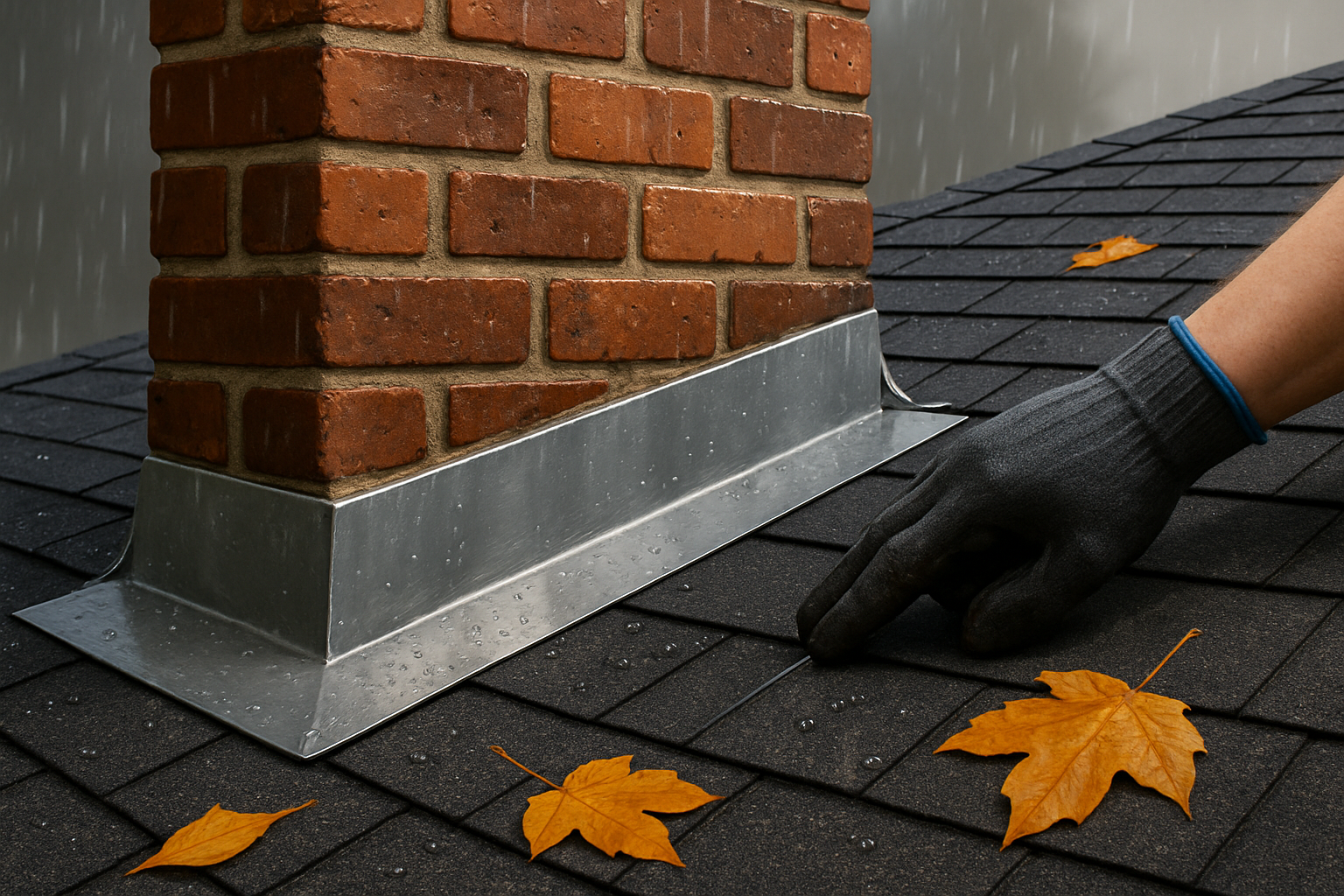
Chimney flashing is a system of metal pieces installed around the base of your chimney to direct water away from the opening where the chimney penetrates the roof. Because chimneys are vertical structures sitting on a sloped roof, water naturally collects and pushes against that joint. Flashing acts like a protective barrier, guiding rainwater down the roof and into your gutters instead of allowing it to seep into your home.
A proper chimney flashing system typically includes several components:
- Base flashing: Metal installed along the bottom edge of the chimney where it meets the roof shingles.
- Step flashing: Individual pieces of metal layered with shingles along the sides of the chimney.
- Counter flashing: Flashing installed into the chimney mortar joints to cover and protect the base flashing.
- Cricket or saddle: A small peaked structure sometimes installed behind wider chimneys to divert water and debris away.
When all these pieces work together, water is directed safely around the chimney. But if even one part fails, water can find its way in.
Why September Weather in Holmen Makes Flashing So Important
In Holmen and the surrounding La Crosse County area, September is a transition month. We can see warm daytime temperatures, cool nights, thunderstorms, steady rain, and increased wind as weather patterns begin shifting toward fall. These conditions can be tough on roofing materials.
During September storms, chimney flashing is especially important because wind can push rain sideways, forcing moisture into gaps that may not leak during a light shower. Leaves and small branches can also collect behind the chimney, trapping moisture against the flashing. As temperatures fluctuate between warm afternoons and chilly nights, roofing materials expand and contract, which can widen cracks in old sealant or loosen compromised flashing.
By the time winter arrives, any existing moisture problem can become worse. Water that seeps into small openings can freeze, expand, and cause additional damage to shingles, mortar, decking, and interior finishes. Addressing chimney flashing issues in September can help protect your home before the harsher freeze-thaw cycles of Wisconsin winter begin.
“We noticed a small stain near our fireplace after a September storm and thought it was minor. Apex Xteriors found failing chimney flashing and fixed it before it caused bigger damage. We were grateful they caught it before winter.”
— Local homeowner in the Holmen, WI area
Common Signs Your Chimney Flashing May Be Leaking
Not every chimney leak is obvious right away. Sometimes water travels along rafters, insulation, or interior framing before showing up as a stain far from the chimney itself. That’s why it helps to know the warning signs.
Look for these common indicators of chimney flashing problems:
- Water stains on ceilings or walls near the fireplace or chimney chase
- Musty odors in the attic or around the fireplace
- Damp drywall, bubbling paint, or peeling wallpaper
- Rust on the damper, fireplace doors, or metal chimney components
- Cracked, lifted, corroded, or missing flashing
- Deteriorated caulk or sealant around the chimney
- Loose or missing shingles near the chimney base
- Debris buildup behind the chimney after storms
If you notice any of these signs, it’s best not to wait. A small leak around chimney flashing can quickly lead to rotten roof decking, damaged insulation, mold concerns, and costly interior repairs.
Why Chimney Flashing Fails
Chimney flashing is built to last, but it is not immune to age, weather, or poor installation. In our area, roofing systems deal with snow, ice, rain, wind, humidity, and major temperature changes throughout the year. Over time, these conditions can break down materials.
Some of the most common reasons chimney flashing fails include:
- Age and corrosion: Metal flashing can rust, weaken, or separate over time.
- Poor installation: Flashing that was not properly layered with shingles can allow water behind the system.
- Failed sealant: Caulk and roofing cement dry out, crack, and pull away from masonry or shingles.
- Settling or movement: Homes shift slightly over time, which can affect the chimney-to-roof joint.
- Storm damage: Strong winds, hail, and flying debris can lift shingles or bend flashing.
- Clogged gutters or debris: Water that cannot drain properly may back up around roof penetrations.
One of the biggest mistakes homeowners make is assuming a leak can be solved with more caulk. While sealant may provide a temporary patch in some cases, it does not replace properly installed flashing. A long-term solution requires understanding how water moves across the roof and making sure each flashing component is doing its job.
How Proper Flashing Protects Your Home
When installed correctly, chimney flashing creates a layered water-shedding system. Rather than relying on surface sealant alone, proper flashing uses gravity and overlapping materials to move water away from vulnerable areas. This is similar to how shingles are installed in layers—each piece works with the next to keep water flowing downward and off the roof.
Quality chimney flashing helps protect:
- Your roof decking from rot and soft spots
- Your attic insulation from moisture damage
- Your ceilings and drywall from stains and deterioration
- Your chimney masonry from excess water exposure
- Your fireplace area from dampness, rust, and odors
- Your home’s overall value and structural integrity
For homeowners in Holmen, Onalaska, La Crosse, West Salem, and nearby communities, proper flashing is especially important heading into fall. September is an ideal time to inspect and repair flashing because there is still time to correct problems before snow and ice make roof work more difficult.
Why Choose Apex Xteriors LLC?
At Apex Xteriors LLC, we understand the homes, weather, and roofing challenges of western Wisconsin because we live and work here. We know what September storms can do to a roofing system, and we know how quickly a small leak can become a major headache if it is ignored.
When you choose Apex Xteriors LLC, you get a local exterior contractor focused on honest communication, quality workmanship, and practical solutions. We don’t believe in scare tactics. We believe in inspecting the issue, explaining what we find, and helping you make the right decision for your home.
Homeowners choose Apex Xteriors LLC because we offer:
- Local knowledge: We understand Holmen’s seasonal weather and how it affects roofing systems.
- Detailed inspections: We look beyond the obvious leak to identify the source of the problem.
- Quality materials: We use dependable products designed to stand up to Wisconsin conditions.
- Clear recommendations: We explain whether you need a repair, flashing replacement, or a larger roofing solution.
- Professional workmanship: We focus on doing the job correctly, not just covering up symptoms.
- Customer-first service: We treat your home with respect and keep you informed throughout the process.
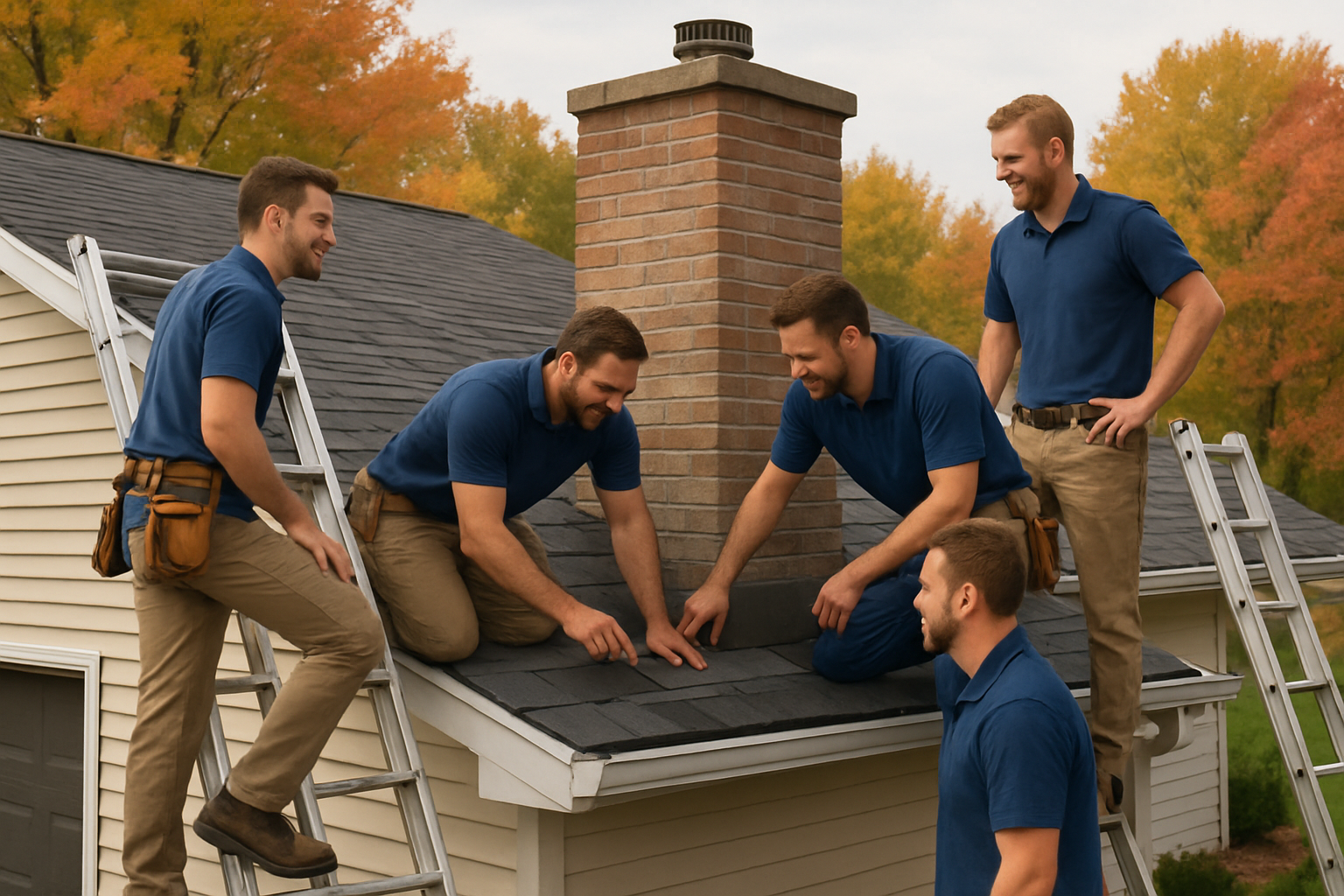
Whether your chimney flashing needs a targeted repair or your roof is showing signs of broader storm damage, our team is ready to help you protect your home before fall weather turns into winter weather.
Schedule a September Roof and Chimney Flashing Inspection
If you have noticed stains, dampness, or visible wear around your chimney, now is the time to act. September is one of the best months in Holmen to schedule a roof inspection because seasonal storms often reveal leaks, but there is still time to make repairs before freezing temperatures arrive.
Even if you haven’t seen an active leak, an inspection can give you peace of mind. Catching cracked sealant, lifted flashing, or deteriorated chimney details early can help prevent emergency repairs later in the season.
At Apex Xteriors LLC, we’re proud to serve Holmen and the surrounding communities with reliable exterior solutions built for our local climate. If your chimney flashing is aging, damaged, or simply hasn’t been checked in years, let our team take a look.
Protect your home before the next September storm rolls through. Contact Apex Xteriors LLC in Holmen, WI today to schedule your chimney flashing or roof inspection.
