


Gutters might not be the most exciting part of your home, but they’re super important. Think of them as your house’s first line of defense against rain. When they’re installed right and you keep them up, they save you from a whole lot of trouble, like water getting into your basement or messing up your foundation. But if they’re not done properly, or if you forget about them, you could be looking at some really big repair bills down the road. We’ll go over some tips for Gutter Installation & Repair to help keep your home safe and dry.
Key Takeaways
- Picking the right material for your gutters—like aluminum, copper, or vinyl—matters for how long they last and how much they cost.
- Getting the gutter size and slope just right is key for them to work well and drain water properly, preventing clogs and damage.
- Properly installing downspouts and making sure they send water far away from your house stops foundation problems before they start.
- Adding gutter guards can cut down on cleaning and stop leaves and gunk from causing blockages, saving you maintenance time.
- Regularly cleaning and checking your gutters for any issues, like leaks or sagging, helps catch problems early and avoids bigger, more expensive repairs.
Choosing The Right Materials For Gutter Installation
Understanding Different Gutter Material Options
When you’re thinking about gutters, it’s not just about how they look, though that’s part of it. The material you pick really matters for how well they work and how long they last. It’s like picking the right kind of paint for your house – you want something that holds up.
There are a few main players in the gutter material game: aluminum, copper, and vinyl. Each has its own story, its own good points and maybe a few drawbacks. The material you choose will directly impact the system’s durability, cost, and overall maintenance needs. It’s a decision that sets the stage for how your gutters will perform for years to come.
Aluminum Gutters: Durability Meets Affordability
Aluminum is probably the most common choice for gutters, and for good reason. It’s pretty lightweight, which makes it easier to handle during installation, and it doesn’t rust. That’s a big plus, especially if you live somewhere with a lot of rain or humidity. Plus, aluminum gutters come in a ton of colors, so you can usually find something that matches your house’s trim or siding. They’re a solid middle-ground option – not the cheapest, but definitely not the most expensive, and they tend to last a good long while.
Copper Gutters: Aesthetic Appeal and Longevity
If you’re looking for something that really makes your house stand out, copper is the way to go. These gutters have a beautiful, classic look that ages gracefully, developing a unique patina over time. They’re incredibly durable and can last for many, many decades with hardly any upkeep. The downside? Copper is significantly more expensive than other materials. So, while they offer fantastic longevity and a high-end appearance, they come with a much bigger upfront cost. It’s an investment, for sure.
Vinyl Gutters: A Cost-Effective Choice
Vinyl gutters are often the go-to for homeowners on a tighter budget. They’re generally the least expensive option, and they’re super easy to install, which can save you money on labor if you’re doing it yourself. Like aluminum, vinyl doesn’t rust, and it’s pretty resistant to corrosion. However, vinyl can become brittle over time, especially in very cold climates, and it might not hold up as well to heavy impacts or extreme weather compared to metal options. They also tend to have fewer color choices and can sometimes look a bit less premium than aluminum or copper.
When selecting gutter materials, think about your local climate. Extreme heat or cold can affect the performance and lifespan of certain materials. Also, consider the weight of the materials, especially if you have a steep roof pitch or are concerned about the structural integrity of your fascia boards.
Essential Steps For Effective Gutter Installation
Proper Sizing and Placement for Optimal Performance
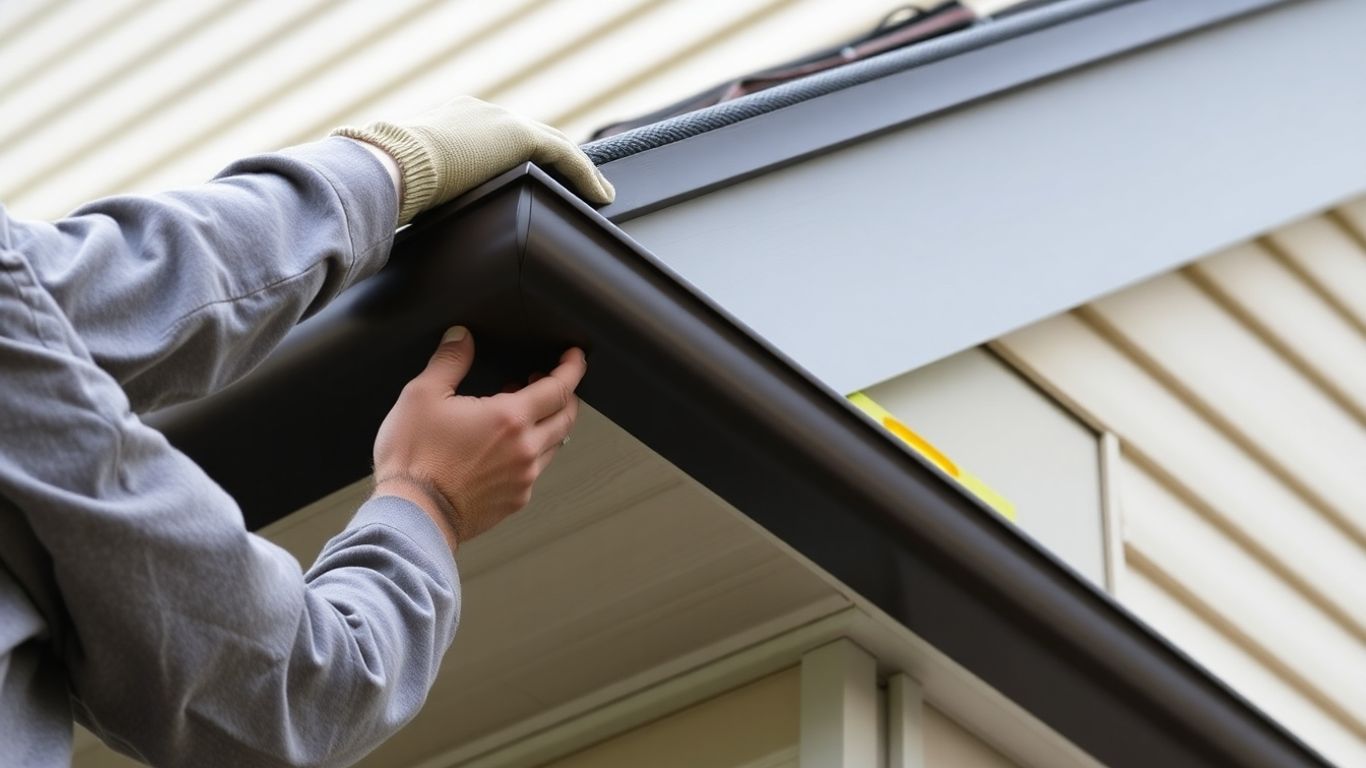
Getting the size and placement of your gutters right from the start is a big deal. If they’re too small, they just can’t handle all the rain, and you’ll end up with water spilling over the sides, which is exactly what you’re trying to avoid. On the flip side, gutters that are way too big are just a waste of money and can look a bit clunky. You’ve got to think about how much rain your area gets, the total area of your roof that drains into the gutters, and even the pitch of your roof. It’s not just about length; it’s about capacity. Placement matters too – they need to catch water effectively without getting in the way of windows or looking out of place with your home’s design.
- Measure your roof’s square footage to estimate water volume.
- Consider local rainfall averages to determine necessary capacity.
- Position gutters to align with roof valleys and edges for maximum collection.
Ensuring The Correct Slope For Water Drainage
This is one of those things people often mess up, and it causes a lot of headaches later. Gutters need a slight tilt, a gentle slope, so the water actually moves towards the downspouts. If they’re flat or slope the wrong way, water just sits there. That standing water can freeze in winter, expand, and damage the gutters, or it can just get stagnant and gross. A good rule of thumb is about a quarter-inch drop for every ten feet of gutter. You’ll want to use a level to get this just right.
A proper slope is key to preventing clogs and ice dams, making sure water flows freely away from your home.
Secure Attachment For Long-Term Stability
Gutters are only as good as how well they’re attached. They have to hold up against rain, wind, and sometimes even snow and ice. Using strong hangers and brackets is super important. These aren’t just decorative; they’re what keep the gutters from sagging or pulling away from the house. You don’t want them falling down mid-storm! Spacing the hangers correctly helps spread the weight evenly. For most standard gutters, placing a hanger every two to three feet is a good starting point, but check what’s recommended for the material you’re using. Making sure everything is screwed in tight with weather-resistant hardware will save you a lot of trouble down the road.
Downspout Installation And Water Management
Installing Downspouts Correctly For Efficient Flow
So, you’ve got your gutters all set up, looking sharp and ready to catch rain. But what happens to all that water? That’s where downspouts come in. They’re basically the highway for water to get from your gutters down to the ground. Getting them installed right is super important. You want them positioned so water flows easily into them, usually at the corners of your house or every 30-40 feet on longer stretches. The goal is to move water away from your home, not towards it. Think of it like directing traffic – you don’t want a backup near your house’s foundation.
Directing Water Away From Your Foundation
This is probably the most critical part of the whole downspout setup. If water just dumps right next to your house, it can cause all sorts of problems. We’re talking about erosion, where the soil around your foundation gets washed away, and even basement flooding if it starts seeping in. Nobody wants that. So, you need to make sure the water coming out of the downspout is directed at least six to ten feet away from your foundation. It might seem like a small detail, but it makes a huge difference in protecting your home’s structure.
The Role Of Splash Blocks And Extensions
Sometimes, just having the downspout end isn’t enough. That’s where splash blocks and extensions come in handy. A splash block is basically a small concrete or plastic pad that sits under the downspout outlet. It helps spread out the water and prevents it from digging a little trench right next to your house. Extensions are usually flexible or rigid tubes that you can attach to the end of the downspout to carry the water even further away. They’re especially useful if your downspout empties onto a walkway or patio where you don’t want puddles forming. Using these simple additions can really help manage where that rainwater ends up, keeping it far from your home’s vulnerable spots.
Maximizing Gutter Lifespan With Protective Measures
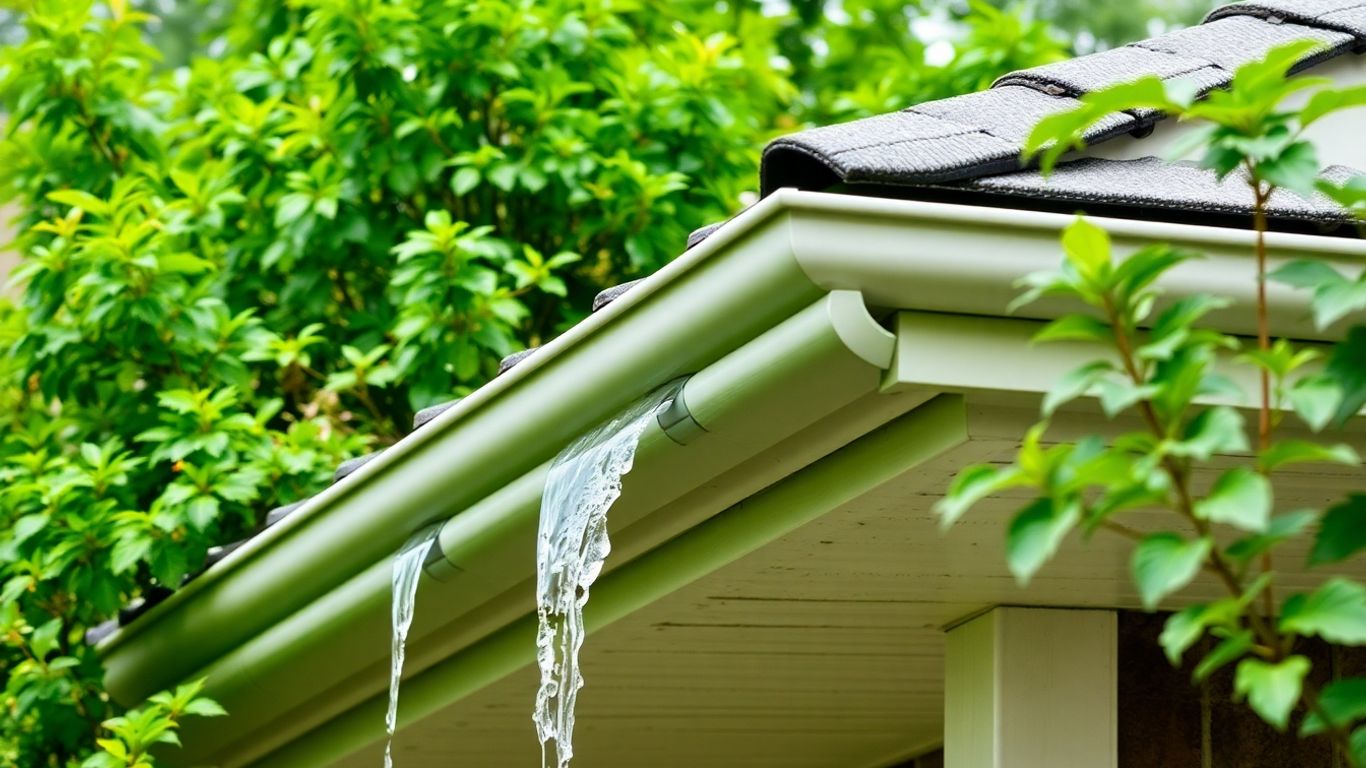
So, you’ve got your gutters installed, and they’re doing their job. That’s great! But how do you make sure they keep doing their job for as long as possible without costing you an arm and a leg in repairs down the line? It’s all about being proactive. Think of it like taking care of a car – regular maintenance and a few smart additions can prevent major breakdowns.
Implementing Gutter Guards To Prevent Clogs
One of the biggest headaches with gutters is clogs. Leaves, twigs, shingle grit, and all sorts of other yard debris love to make a home in your gutters, turning a smooth water highway into a traffic jam. This is where gutter guards come in. They act like a filter, keeping the big stuff out while letting the water flow through to the downspouts. It’s a pretty simple concept, but it makes a huge difference in preventing water from backing up and causing damage.
Benefits Of Gutter Guards For Reduced Maintenance
Honestly, who enjoys climbing ladders to scoop out soggy leaves? Gutter guards significantly cut down on how often you need to do that. While they aren’t a ‘set it and forget it’ solution – you’ll still need to check on them occasionally – they drastically reduce the frequency of manual cleaning. This means less risk for you and more time saved. Plus, by preventing clogs, you’re also stopping potential water overflow that can damage your roofline, siding, and even your foundation. It’s a win-win, really.
Choosing The Best Gutter Guards For Your Home
There are a few different types of gutter guards out there, and picking the right one depends on your yard and your budget. You’ve got mesh screens, which are pretty common and effective. Then there are surface tension guards that use water’s own properties to keep debris out. And don’t forget about foam inserts; they’re often a cost-effective option but might need replacing sooner than other types. When you’re choosing, think about the types of trees you have nearby – lots of pine needles? You’ll want a finer mesh. Big oak trees dropping acorns? You might need something sturdier. It’s worth looking into what works best for your specific situation before you buy.
Keeping your gutters clear is more than just an aesthetic concern; it’s a critical part of protecting your home’s structure. When water can’t drain properly, it finds other ways to go, often leading to expensive problems like mold growth in your attic or basement, or even compromising the integrity of your foundation over time. Investing in preventative measures like gutter guards is a smart move to avoid these larger, more costly repairs.
Proactive Gutter Maintenance For Home Protection
Regular Cleaning To Prevent Blockages
Think of your gutters as the drainage system for your roof. Just like any system, they need regular attention to keep things flowing smoothly. Leaves, twigs, and other debris can pile up pretty quickly, especially after a big storm or during the fall. If these blockages aren’t cleared out, water can back up, overflow, and start causing problems. This overflow is often the first step towards water damage. It can pool around your foundation, seep into your basement, or even damage your roof and siding.
It’s a good idea to get into a routine. Aim to clean your gutters at least twice a year. Spring is a good time to clear out any winter debris, and fall is critical because of all the leaves dropping. If you have a lot of trees around your house, you might need to check them more often.
Periodic Inspections For Early Damage Detection
Cleaning is important, but it’s only part of the picture. You also need to keep an eye out for any signs of wear and tear. Gutters can develop rust, holes, or start to pull away from the house. These issues might seem small at first, but they can quickly turn into bigger, more expensive problems if left unaddressed.
Here’s a quick checklist for your inspections:
- Look for rust or corrosion, especially on metal gutters.
- Check for any visible holes or cracks where water could leak.
- See if the gutters are still securely attached to the fascia board. Sagging gutters are a red flag.
- Examine the downspouts to make sure they aren’t bent or damaged.
Catching these things early means you can often fix them with a simple repair, rather than needing a full replacement later on. It’s like finding a small leak in your roof before it causes major ceiling damage.
Water Flow Tests To Ensure Optimal Drainage
Once you’ve cleaned and inspected your gutters, it’s smart to do a quick water test. Grab a garden hose and run water through the gutters, starting at the end furthest from the downspout. Watch to see how the water flows.
- Does it move steadily towards the downspout?
- Are there any spots where water pools or seems to drain slowly?
- Does the water come out of the downspout freely?
If you notice water backing up or not flowing correctly, it could mean there’s still a clog, or the gutters aren’t sloped properly. The ideal slope is a slight downward angle towards the downspout, usually about a quarter-inch drop for every ten feet of gutter. Adjusting this pitch can make a big difference in how well your gutters work.
Taking these maintenance steps might seem like a chore, but they are a simple way to protect your home. It’s much easier and cheaper to clean out some leaves than it is to deal with water damage to your foundation or walls. Think of it as preventative care for your house.
Understanding The Consequences Of Poor Gutter Installation
So, you’ve got gutters, but are they actually doing their job? It’s easy to overlook them, but when they’re not installed right, things can get messy, and expensive. Think of your gutters as the first line of defense against water damage. If that defense is weak, water can cause all sorts of trouble.
Risks Of Foundation Erosion And Basement Flooding
This is a big one. When gutters aren’t sloped correctly or are clogged, water doesn’t just flow away; it spills over. This excess water then pools around your home’s foundation. Over time, this constant moisture can erode the soil supporting your foundation. It’s like a slow leak that weakens the very base of your house. This erosion can lead to cracks in the foundation, and before you know it, you’re dealing with a damp or even flooded basement. That’s a repair bill nobody wants. Proper gutter installation is key to preventing foundation erosion.
Structural Damage From Water Seepage
Water doesn’t just sit around the foundation; it can find its way into your home. If your gutters are leaking at the seams or overflowing, that water can seep into your walls, particularly the fascia boards and soffits. This moisture creates a perfect environment for mold and rot to develop. Wood that’s constantly wet becomes weak and can start to decay. This isn’t just an aesthetic problem; it compromises the structural integrity of your roofline and walls. You might start noticing peeling paint, water stains on ceilings, or even soft spots in your walls.
The Impact Of Sagging Or Detached Gutters
Gutters that aren’t securely attached or are improperly sized can start to sag. This isn’t just unsightly; it means they’re not directing water effectively anymore. Water can back up under your shingles, leading to roof damage, or continue to spill over the sides, causing the same foundation issues we talked about. In severe cases, sagging gutters can detach completely during heavy rain or wind, leaving your home unprotected and potentially causing damage to landscaping or even walkways below. It’s a clear sign that the system isn’t working as it should.
Here’s a quick look at what can happen:
- Foundation Issues: Soil erosion, cracks, and basement flooding.
- Structural Weakness: Rotting wood in fascia, soffits, and walls.
- Roof Damage: Water seeping under shingles, leading to leaks.
- Mold Growth: Unhealthy conditions indoors and outdoors.
Ignoring the signs of poor gutter installation is like playing with fire. What seems like a minor inconvenience now can quickly escalate into major, costly repairs down the line. Regular checks and professional installation are your best bet for keeping your home safe and dry.
Don’t Let Water Damage Ruin Your Home
So, we’ve talked a lot about gutters, right? It might seem like a small thing, but honestly, keeping them clean and in good shape is a pretty big deal for your house. Ignoring them can lead to some really expensive problems down the road, like water getting into your foundation or walls. It’s way easier and cheaper to just do the regular check-ups and cleanings. Think of it like changing the oil in your car – a little effort now saves you from a breakdown later. If you’re not comfortable doing it yourself, or if your gutters are looking a bit rough, don’t hesitate to call in the pros. Taking care of your gutters is a smart move that protects your home and your wallet.
Frequently Asked Questions
What are the main reasons for installing gutters?
Gutters are super important because they catch rainwater from your roof and guide it away from your house. This stops water from pooling around your foundation, which can cause big problems like basement flooding or damage to your walls and even your yard. Think of them as your house’s water shield!
What are the best materials for gutters?
You have a few good choices! Aluminum is popular because it’s tough, doesn’t rust, and won’t break the bank. Copper looks really fancy and lasts a super long time, but it costs more. Vinyl is the cheapest option and easy to put up, but it might not last as long as metal ones.
How do I know if my gutters are installed correctly?
A properly installed gutter should have a slight tilt, like a gentle ramp, leading towards the downspout. This helps water flow smoothly without getting stuck. Also, make sure they’re attached securely to your house so they don’t sag or fall off, especially when full of water or during bad weather.
What’s the deal with downspouts?
Downspouts are the pipes that carry water from the gutters down to the ground. It’s really important that they point away from your house’s foundation. Using things like splash blocks or extensions can help make sure the water goes far enough away so it doesn’t cause any damage near your home’s base.
How often should I clean my gutters?
It’s a good idea to clean your gutters at least twice a year, usually in the spring and fall. This is when leaves and other debris are most likely to pile up. Even if you have gutter guards, it’s still smart to check them occasionally to make sure nothing is getting stuck.
What happens if my gutters aren’t working right?
If your gutters are clogged, sagging, or not installed properly, water can end up in places it shouldn’t. This can lead to serious issues like your foundation cracking, water getting into your basement, mold growing on your walls, and even damage to your roof. Taking care of your gutters saves you a lot of money and trouble later on.
