


As winter approaches, we need to think about our commercial roofs. Cold weather can cause problems if we’re not careful. We’ve put together some tips to help get your roof ready. It’s about checking things out before the snow and ice hit. We want to avoid costly repairs down the line. Let’s look at what we can do now to prepare.
Key Takeaways
- We should check seals and flashing for any signs of wear. These are weak spots where water can get in.
- We need to make sure drains are clear. Clogged drains can lead to water buildup, which is bad for the roof.
- We also need to think about residential roofing preparation. Even though this is for commercial, some ideas can apply, and it’s good practice to consider all our properties.
Inspect Your Commercial Roof For Winter Damage
As the colder months approach, it’s time for us to give our commercial roofs a good once-over. We want to catch any potential problems before they turn into bigger, more expensive headaches once the snow starts flying. A thorough inspection now can save us a lot of trouble down the line.
Check For Worn Seals And Flashing
We need to pay close attention to the seals and flashing around vents, chimneys, skylights, and any other penetrations on the roof. Over time, weather can cause these materials to crack, shrink, or pull away from the roof surface. This is where water often finds its way in. We should look for any signs of deterioration, like brittle or missing sealant, or flashing that appears loose or rusted. Even small gaps can let in moisture, which can freeze and expand, making the problem worse.
Assess Drainage Systems For Blockages
Our roof’s drainage system, including gutters and downspouts, needs to be clear. Leaves, twigs, and other debris can accumulate, especially after the fall season. If water can’t drain properly, it can pool on the roof. This standing water is bad news, as it adds extra weight and can seep into the roof structure. We should check that gutters are free of obstructions and that downspouts are clear and directing water away from the building’s foundation. A simple check now can prevent ice dams and water backup later.
Address Potential Winter Issues
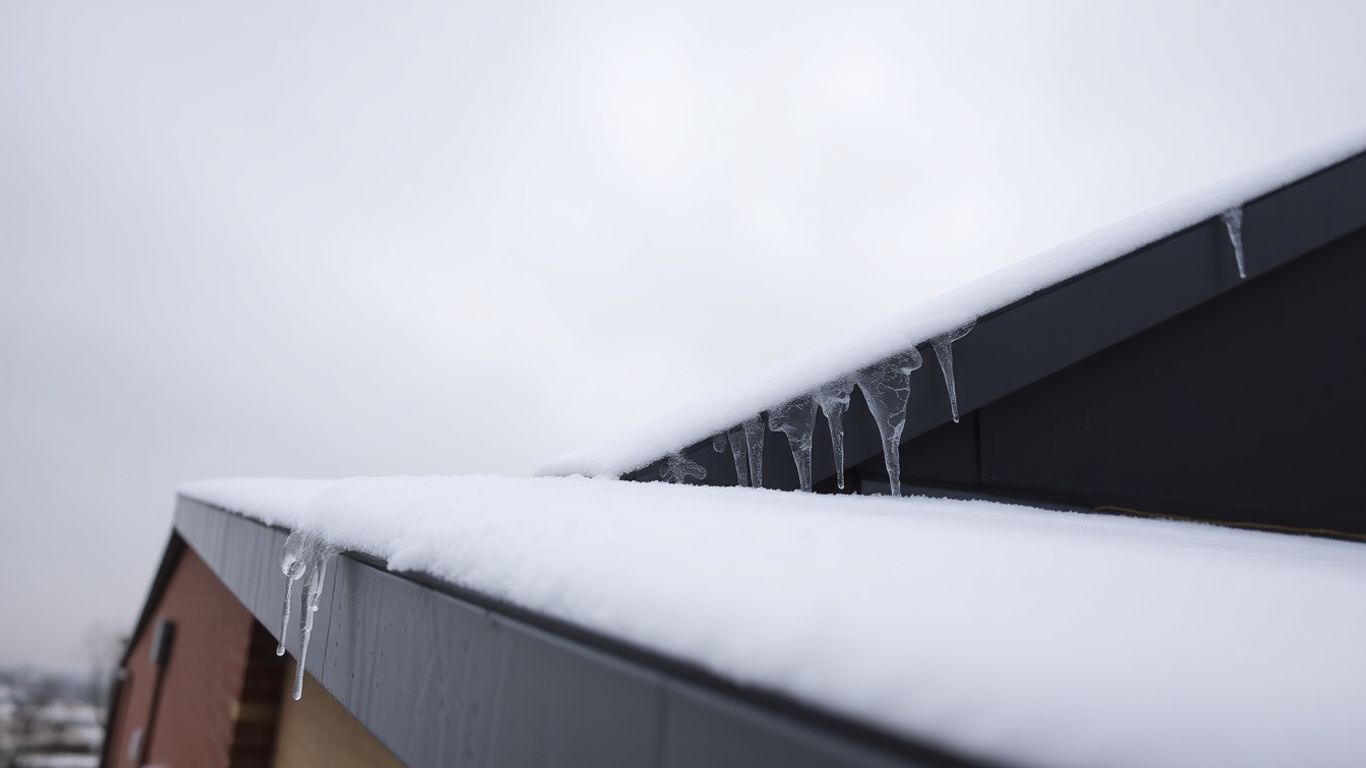
Now that we’ve taken a good look at our roof, it’s time to actually do something about what we find. Winter can be tough on commercial buildings, and a little proactive work now can save us a lot of headaches later. We need to make sure everything is buttoned up before the cold really sets in.
Repair Any Compromised Areas
If our inspection turned up any worn seals or flashing, now’s the time to fix them. These spots are prime entry points for water, and when that water freezes and thaws, it can really do some damage. We’re talking about cracks widening, materials breaking down, and eventually, leaks inside. We should also look at any areas where the roofing material itself seems to be lifting or cracking. Getting these small problems fixed now prevents them from becoming big, expensive ones when the snow starts flying. It might seem like a small thing, but a properly sealed roof is key.
Consider Preventative Maintenance For Residential Roofing Preparation
While we’re focused on the commercial building, it’s also a good time to think about any associated residential properties we might manage. Sometimes, the same principles apply. We want to make sure that any smaller roofs are also in good shape. This could involve:
- Checking gutters and downspouts for debris.
- Looking for loose or damaged shingles.
- Clearing off any accumulated leaves or branches.
Even if it’s not our primary focus, a little attention to these areas can prevent issues that might affect tenants or property value. It’s all about being thorough.
We need to remember that winter weather isn’t just about snow. Ice dams can form, and strong winds can lift materials that aren’t securely fastened. Addressing potential weak spots before these conditions arise is the smartest approach. It’s better to spend a little time and money now than to deal with emergency repairs in the middle of a blizzard.
Wrapping Up
So, we’ve gone over a few things to get your roof ready for the cold months. It might seem like a lot, but taking these steps now can save us a big headache later. A little bit of work before the snow starts can prevent costly repairs down the road. We should all make sure our buildings are protected. It’s just good practice, really. Let’s get it done so we can stop worrying about it.
Frequently Asked Questions
What’s the first thing we should do to get our roof ready for winter?
Our primary step involves a thorough check of the roof’s condition. We need to look closely for any signs of wear and tear, especially around seals and where the roof meets walls, known as flashing. It’s also vital that we make sure all the drains are clear of leaves and debris so water can flow away easily and not freeze.
What if we find a problem on the roof before winter hits?
If we discover any spots that look weak or damaged, we must fix them right away. Ignoring small issues can lead to much bigger problems once the snow and ice start piling up. Sometimes, a little bit of repair work now can save us a lot of trouble and money later on.
Is there anything else we can do to keep our roof safe during the cold months?
Yes, besides fixing current problems, we can think about extra steps. This might include some preventative care, like adding a protective layer or making sure everything is sealed up tight. It’s like giving our roof a good shield before the harsh weather arrives, ensuring it stays strong all winter long.
