


As winter weather approaches, we often focus on keeping our homes warm inside. But what about the roof that’s taking a beating from snow, ice, and wind? Proper winter roof maintenance is key to avoiding costly repairs down the line. We’ll look at common issues like ice dams and snow load, and how to keep your gutters clear so water can flow away. Taking these steps now can save us a lot of headaches later.
Key Takeaways
- We can prevent ice dams by understanding how they form and taking steps like improving attic insulation and ventilation.
- Heavy snow can stress our roofs, so we need to know when to remove it safely and how to do it without causing damage.
- Keeping gutters and downspouts clear of ice and debris is important for water drainage and preventing damage to our roof edges and foundation.
Preventing Ice Dams Through Smart Winter Roof Maintenance
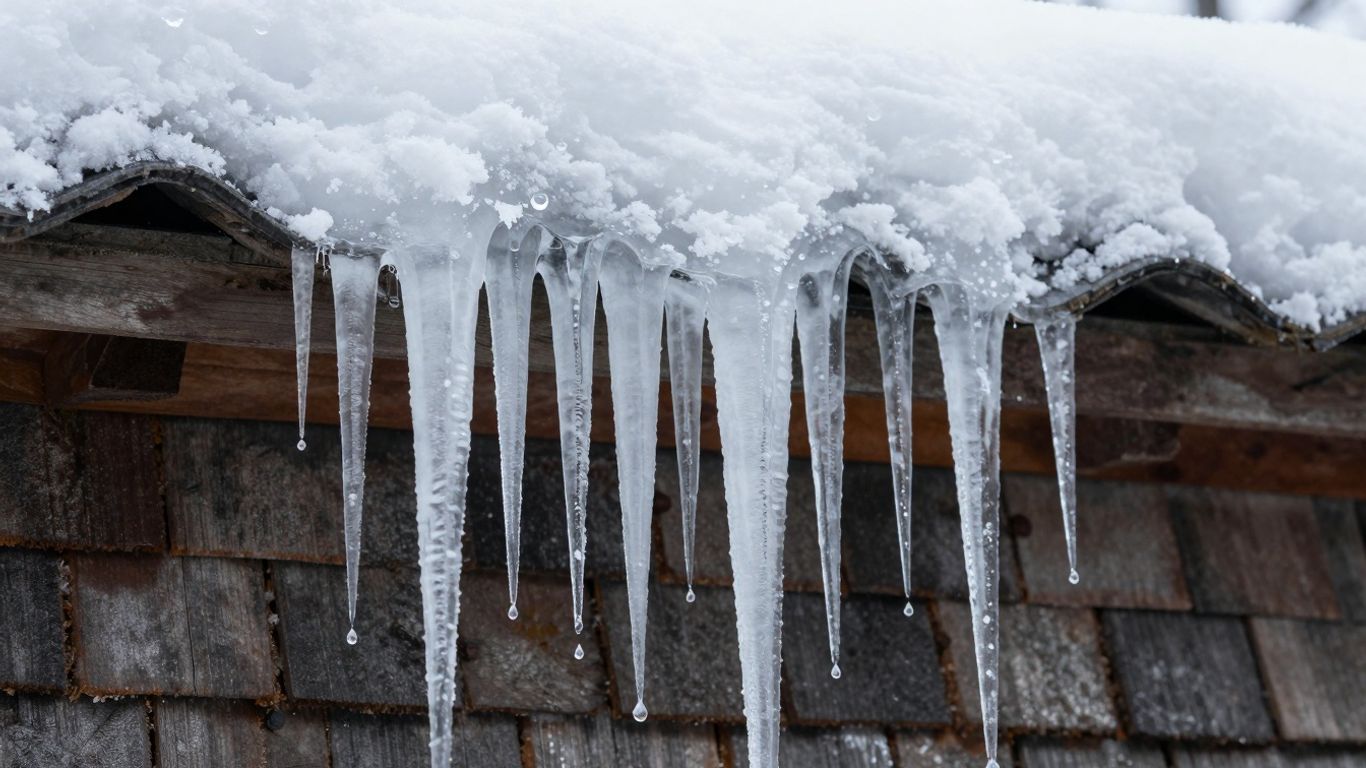
Winter weather can be tough on our homes, and one of the most common headaches we face is the dreaded ice dam. We’ve all seen them, those thick ridges of ice that form along the edge of a roof, and they’re more than just an eyesore. They can actually cause some serious damage if we’re not careful.
Understanding Ice Dam Formation
So, how do these icy monsters even show up? It’s usually a combination of things. When the sun shines on our roof, even on a cold day, it warms up the shingles. This heat melts the snow that’s sitting on top. The meltwater then flows down towards the colder edge of the roof, like the eaves. Once it hits that colder area, it freezes again. Over time, this cycle of melting and refreezing builds up a dam of ice. This dam then traps more melting water behind it, which can back up under the shingles and seep into our homes. This is where the real trouble starts, leading to water stains on ceilings, damaged insulation, and even mold growth.
Effective Strategies for Ice Dam Prevention
Luckily, there are ways we can fight back against ice dams. It mostly comes down to keeping our roofs at a more consistent temperature and making sure water can flow freely.
- Proper Attic Insulation: A well-insulated attic is key. It stops warm air from our living spaces from escaping into the attic and heating the roof deck. We need to check our insulation levels and add more if they’re too low. Think of it like putting a good blanket over your attic.
- Ventilation is Your Friend: Good attic ventilation helps keep the roof deck cold. Vents at the soffit (the underside of the roof overhang) and at the ridge (the peak of the roof) allow cool outside air to circulate through the attic. This helps to keep the roof surface temperature more even, reducing the melting and refreezing cycle.
- Keep Gutters Clear: While we’ll talk more about gutters later, it’s worth mentioning here too. Clogged gutters can’t drain meltwater away from the house. This water can then freeze and contribute to ice dam formation.
- Consider Heat Cables (Use Sparingly): In some areas, especially where ice dams are a persistent problem, electric heat cables can be installed along the roof edge and in gutters. These melt channels through the ice. However, they use electricity, so we should only use them when absolutely necessary and follow the manufacturer’s instructions carefully.
Dealing with ice dams isn’t just about fixing damage after it happens; it’s about proactive maintenance. A little effort in the fall to check insulation, clear debris, and ensure good airflow can save us a lot of trouble and expense when the snow starts to fly. We want our homes to be cozy and dry, not leaky and damp.
We also need to be mindful of the type of roofing material we have. Some materials are more prone to ice damming than others. Metal roofs, for instance, tend to shed snow more easily than asphalt shingles, which can help prevent ice dams from forming in the first place. If we’re considering roof replacements, this is something to keep in mind.
Addressing Snow Load and Its Impact on Your Roof
We often think of winter as a time for cozy fires and hot cocoa, but for our homes, it can bring some serious weight. That beautiful blanket of snow piling up on our roofs isn’t just pretty; it’s a significant snow load that can put a surprising amount of stress on your home’s structure. We need to be aware of this potential problem and know how to handle it.
Recognizing the Dangers of Excessive Snow
When snow accumulates, it adds weight. A little bit is fine, but a lot can become a real issue. We’re talking about pounds per square foot, and it adds up fast. This weight can strain your roof’s framing, potentially leading to sagging or even collapse in extreme cases. It’s not just about the snow itself; ice that forms within the snowpack adds even more density and weight. We’ve seen roofs buckle under the pressure, and it’s a costly repair.
Here are some signs that your roof might be struggling with snow load:
- Visible sagging in the ceiling or roofline inside your home.
- Cracks appearing in interior walls or ceilings.
- Doors and windows that start to stick or become difficult to open.
- Water leaks, especially after a thaw and refreeze cycle.
Paying attention to these indicators can help us prevent a minor issue from becoming a major disaster.
Safe Snow Removal Techniques
Sometimes, the best approach is to remove some of that snow before it becomes too heavy. However, this needs to be done carefully. We don’t want to cause more damage than we prevent.
Here’s how we can approach snow removal safely:
- Use the Right Tools: A roof rake with a long handle is ideal. These are designed to pull snow off the roof without damaging shingles. Avoid using shovels or anything metal that could scratch or tear the roofing material.
- Work from the Ground: Whenever possible, we should try to remove snow from the ground. This minimizes the risk of falling from a ladder or the roof itself.
- Don’t Overdo It: We don’t need to clear every last snowflake. The goal is to reduce the overall weight, especially in areas where snow tends to accumulate the most, like along the eaves.
- Be Mindful of Ice: If there’s a thick layer of ice, it’s often best to leave it alone. Trying to chip away at ice can damage the roof. In these situations, we might need to consult a professional.
When removing snow, always think about where it’s falling. We don’t want to create new problems by piling heavy snow against the foundation or blocking walkways and driveways. Safety first, for ourselves and for the property.
We should also consider the design of our roof. Steeper roofs shed snow more easily than flatter ones. If we live in an area with heavy snowfall, it’s worth thinking about roof pitch when considering new construction or major renovations.
Protecting Gutters and Downspouts During Winter
The Role of Clear Gutters in Winter
We often don’t think about our gutters until something goes wrong, but during winter, they play a really important role. When snow melts, even a little bit, that water needs somewhere to go. If your gutters are full of leaves, ice, or other debris, the water can back up. This backed-up water can then freeze, expand, and cause damage to your gutters themselves, and even to the edge of your roof. Keeping gutters clear is a simple step that prevents bigger problems down the line. It’s about managing water flow, plain and simple.
Maintaining Drainage Systems
Winter weather can really put our drainage systems to the test. Ice and snow can clog downspouts, creating blockages that stop water from draining away from our homes. This can lead to water pooling around the foundation, which is never a good thing, especially when it freezes and thaws repeatedly.
Here are some steps we can take:
- Inspect Regularly: Before winter really hits, take a look at your gutters and downspouts. Are they sagging? Are there any obvious blockages?
- Clean Them Out: Remove any leaves, twigs, or other gunk. This is best done in the fall, but a quick check in early winter doesn’t hurt.
- Check Downspout Extensions: Make sure any extensions are directing water away from the house, not pooling near the foundation.
- Consider Gutter Guards: While not foolproof, gutter guards can help reduce the amount of debris that gets into your gutters in the first place.
When ice forms in downspouts, it can create a dam, preventing any further meltwater from escaping. This trapped water can then seep under shingles or into fascia boards, leading to rot and structural damage. It’s a chain reaction that starts with a simple clog.
Sometimes, a downspout might be frozen solid. If you notice this, a gentle approach is best. You can try using a hose with warm water to melt the ice, or carefully use a long, thin tool to break up the blockage. Avoid using harsh chemicals or excessive force, as this could damage the pipes.
Wrapping Up
So, we’ve gone over some of the common issues our roofs face when winter rolls around. It’s not always fun dealing with ice dams or damaged shingles, but taking a little time to check things out and do some simple upkeep can really make a difference. We hope this helps you keep your home safe and sound through the cold months. Remember, a little preparation now can save a lot of headaches later on. Don’t wait for a problem to pop up; get ahead of it and enjoy a worry-free winter.
Frequently Asked Questions
What exactly causes those annoying ice dams on our roofs?
Ice dams happen when snow melts on the warmer parts of your roof and then refreezes near the colder edges. This creates a wall of ice that stops more melting snow from draining. Eventually, this backed-up water can seep under your shingles and cause leaks inside your home.
How can we safely get rid of heavy snow from our roof?
We should be careful when removing snow. Using a roof rake designed for snow removal is a good idea, but we must avoid damaging the shingles. It’s often best to leave heavy snow removal to professionals who have the right tools and experience to do it safely and effectively without harming our home.
Why are clean gutters so important when it’s cold outside?
Clear gutters are crucial in winter because they allow melting snow and ice to drain away from our house properly. If gutters are clogged with leaves or ice, water can back up and freeze, potentially damaging the gutters themselves or causing water to seep into our walls or foundation.
