


As winter approaches, we often focus on heating our homes and staying warm inside. But what about the outside? Our siding takes a beating all year, and winter weather can bring its own set of problems. We want to help you avoid costly repairs down the line. This article will go over some common issues and how to get ahead of them with good winter siding maintenance.
Key Takeaways
- Before winter hits, check your siding for any existing damage, like cracks or loose pieces. Also, make sure water can drain away properly from your home’s foundation.
- Ice dams can form on roofs and cause water to back up under shingles. Managing snow load is also important so heavy snow doesn’t stress your siding.
- Good winter siding maintenance means keeping an eye on drainage and being aware of how ice and snow can affect your home’s exterior.
Preparing Your Siding For Winter Weather
Before the first frost hits, we need to get our homes ready for whatever winter throws at them. Taking some time now can save us a lot of headaches later. Our siding is the first line of defense against the cold, wind, and snow, so we want to make sure it’s in good shape.
Inspect For Existing Damage
We should start by walking around the entire house and looking closely at the siding. It’s easy to miss small issues, but those can turn into big problems when the weather gets harsh. We’re looking for cracks, loose boards, or any spots where the material seems to be peeling away. Pay special attention to areas around windows and doors, as these are common entry points for moisture. If we find any damaged sections, it’s best to fix them before winter sets in. Small repairs now can prevent water from seeping in and causing rot or mold later on.
- Check for any warping or buckling.
- Look for signs of insect damage, like small holes.
- Inspect the caulking around windows and doors; it should be intact and flexible.
Sometimes, what looks like a minor chip or crack can let in enough water to cause significant damage over the winter months. It’s better to be safe than sorry.
Ensure Proper Drainage
Good drainage is key to protecting our siding. Water that pools around the foundation can freeze and expand, putting stress on the siding and potentially causing it to lift or crack. We need to make sure our gutters and downspouts are clear and directing water away from the house. If the downspouts are clogged with leaves or debris, water can back up and overflow, running right down the side of the house. We should also check the grading around our home; the ground should slope away from the foundation, not towards it.
Here’s a quick checklist for drainage:
- Clean Gutters: Remove all leaves, twigs, and other gunk. We want a clear path for water.
- Check Downspouts: Make sure they are securely attached and extend far enough away from the house – at least a few feet is good.
- Inspect Grading: Look at the ground near your foundation. Does it slope away from the house? If not, we might need to add some soil to create a better angle.
Proper drainage helps keep moisture away from our siding, which is a big win for preventing winter damage.
Addressing Winter Siding Maintenance Challenges
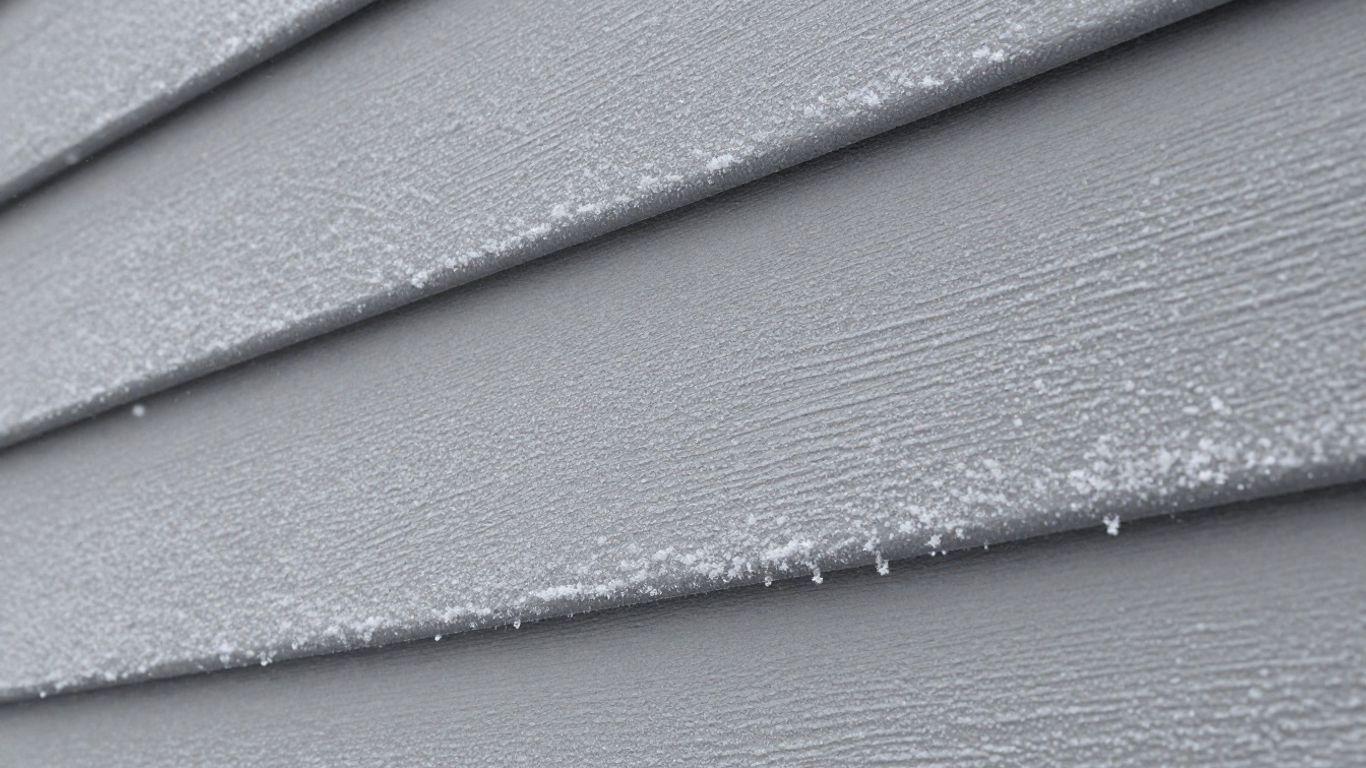
When winter arrives, our siding faces a set of unique problems that can easily get out of hand if we’re not paying attention. Handling these challenges early can save us from more expensive repairs and keep our homes looking their best. Let’s talk about two issues that many of us run into: ice dams and heavy snow buildup.
Preventing Ice Dams
Ice dams are sneaky. Water pools behind little walls of ice at the edge of our roof, and before we know it, it starts seeping under the siding and can cause a mess inside. Here’s what we can do:
- Check attic insulation to keep heat from escaping and melting snow unevenly.
- Keep gutters clear so water can flow off the roof instead of getting blocked and refreezing.
- Use a roof rake after big snowfalls to remove snow near the roof’s edge without having to climb up.
Ice dams might sound harmless, but they can lead to some expensive headaches if ignored. We always try to glance up at our gutters during winter just to make sure nothing is building up, especially after a storm.
Regularly checking and clearing your gutters isn’t just good practice—it’s one of the simple habits that truly makes a difference. We notice fewer problems each year when we remember to do this.
Managing Snow Load
When we get hit with a heavy snowstorm, too much snow can pile up on our siding and roof edges. This weight can cause stress cracks or even make old siding panels bend. Let’s look at a quick comparison to see just how heavy snow can get:
| Snow Type | Weight (per cubic foot) |
|---|---|
| Fresh, powdery | 7 lbs |
| Wet, heavy | 20 lbs |
Get in the habit of checking these areas:
- Watch for sagging or drooping siding panels after big storms.
- Whenever we notice a thick, wet snow, clear it away with a broom (not a shovel—that can scratch panels).
- Inspect the ground around the home for piled-up snow that could press against the bottom row of siding.
We don’t always have time for a full inspection, but knocking loose clumps of snow now and then is easy enough. It can seriously cut down on siding damage during winter months.
Wrapping Up
So, we’ve gone over a few things that can go wrong with siding when the cold weather hits. It’s not always obvious, but paying attention to these details now can save us a lot of headaches later. Think about checking for cracks, making sure water can drain away properly, and not letting ice build up. We don’t want to deal with big repair bills come spring, right? A little bit of care before and during winter can make a big difference in how our homes hold up. Let’s try to keep an eye on things and get ahead of any potential problems before they get out of hand.
Frequently Asked Questions
What’s the first thing we should do to get our siding ready for winter?
Before the cold really sets in, we need to take a close look at our siding. We should check for any cracks, loose pieces, or areas where the material might be worn out. Finding these small issues now can save us from bigger headaches later when the snow and ice arrive.
How can we stop ice dams from forming on our roof and siding?
Ice dams can cause serious damage. To prevent them, we must make sure water can flow away from our house easily. This means keeping gutters clean and ensuring that the siding is properly attached so water doesn’t get trapped behind it, which is a common cause of ice buildup.
What happens if a lot of snow piles up on our siding?
Heavy snow can put a lot of weight on our siding, especially if it’s wet. We should be mindful of this and, if possible and safe to do so, gently remove excess snow from areas that seem to be holding too much. This helps prevent the siding from bending or breaking under the strain.
